Objects on display

Objects on display at Sydney Observatory

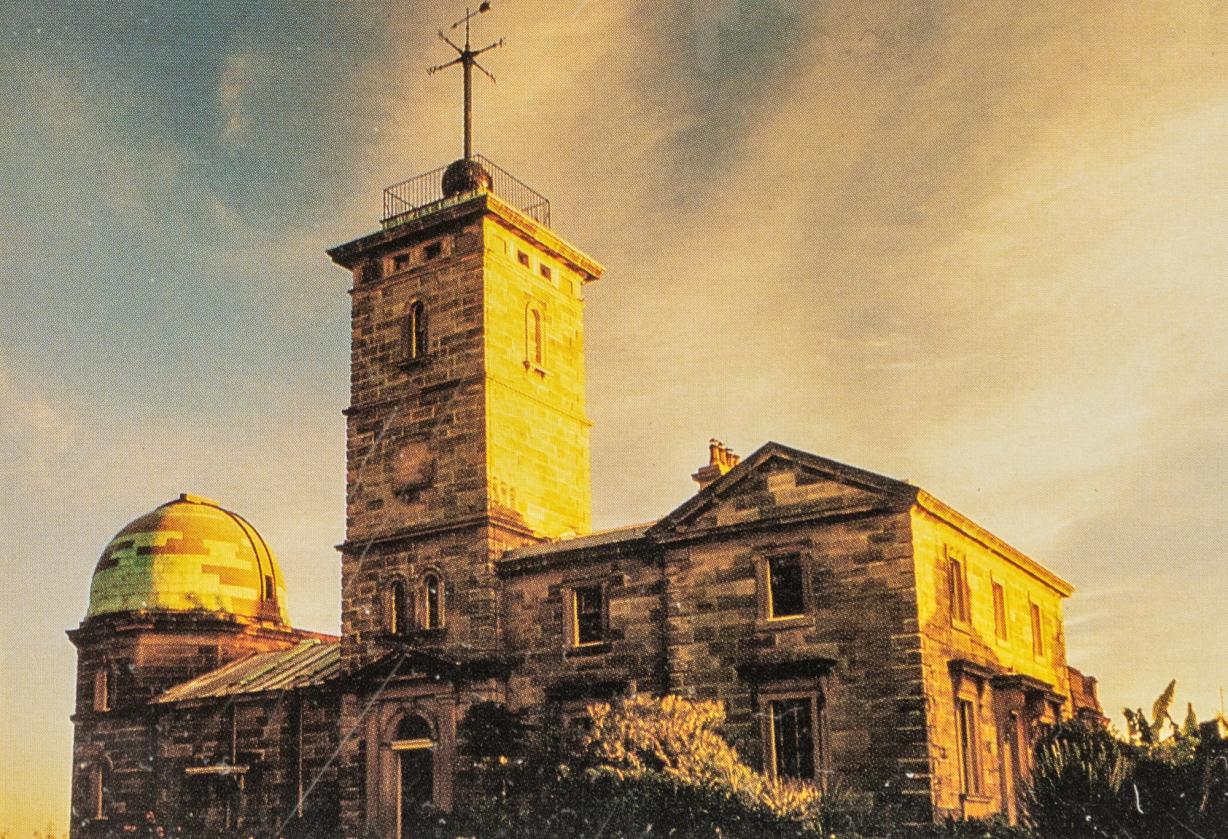
Sydney Observatory has exhibits on the themes of astronomy, meteorology and the history of the Observatory. Below are some of the objects you can see here.

Astronomy
Objects on view include telescopes – some connected with the history of Sydney Observatory, orreries (models of the solar system) and a celestial globe.

  • 86/60 Orrery and stand, for use in a library, brass/wood, France, 1846-1899
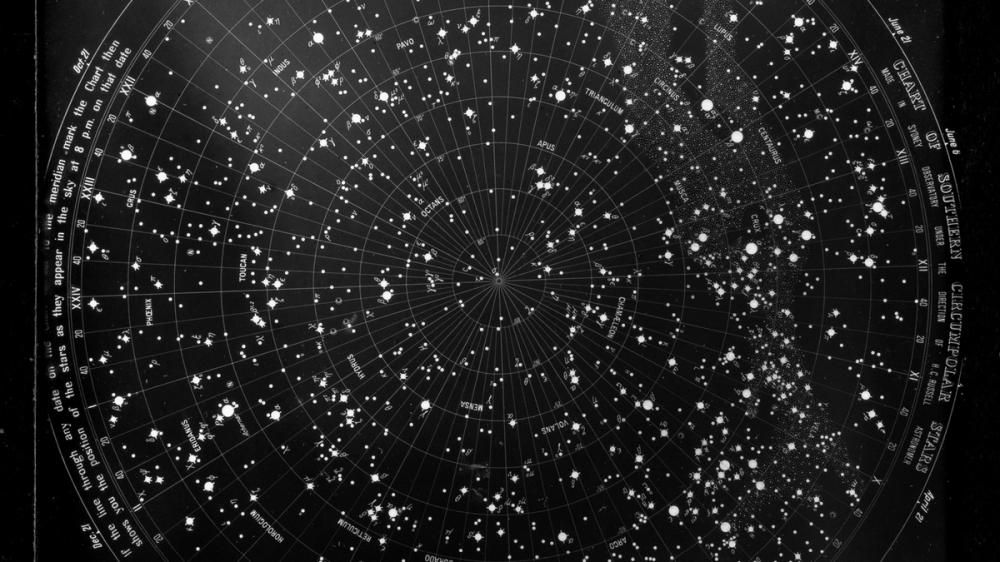
  • 89/659 Map, ‘Charta Caelestis’, silver plate/gold/wood, International Astronomical Union, 1978
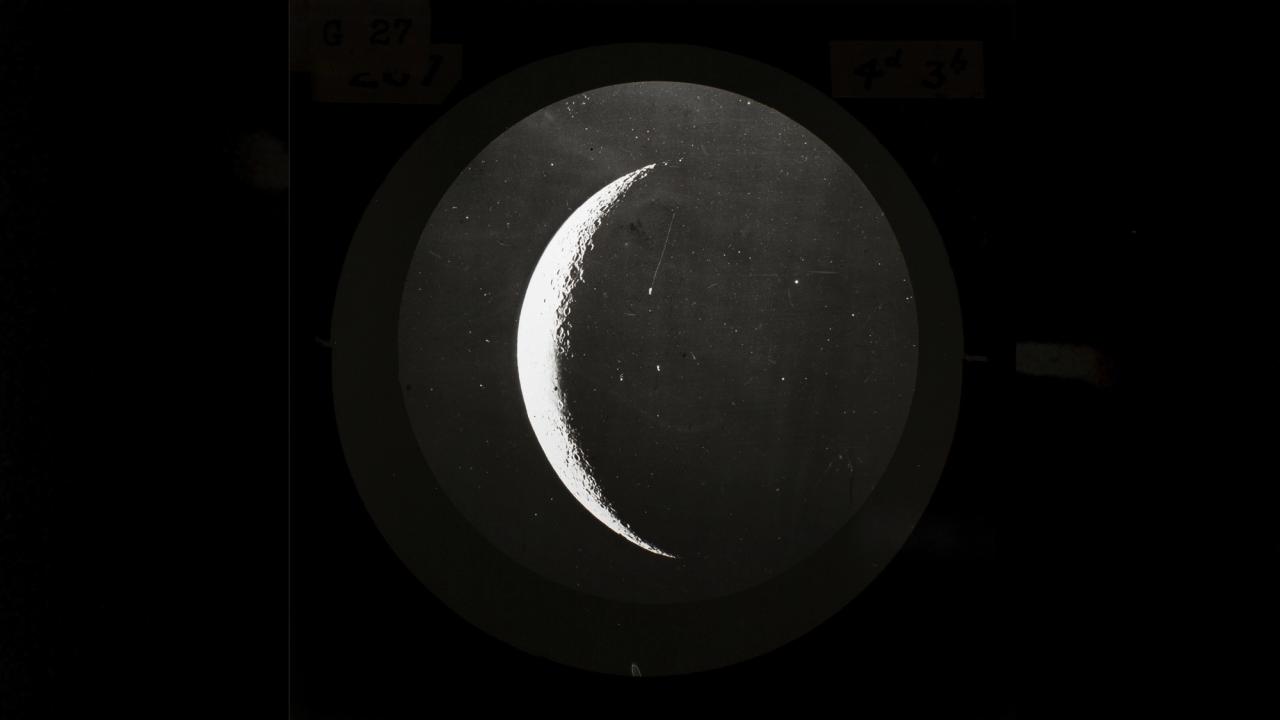
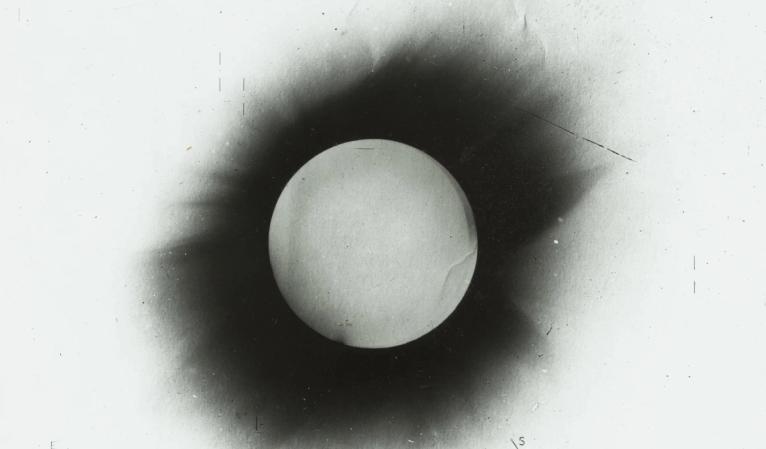
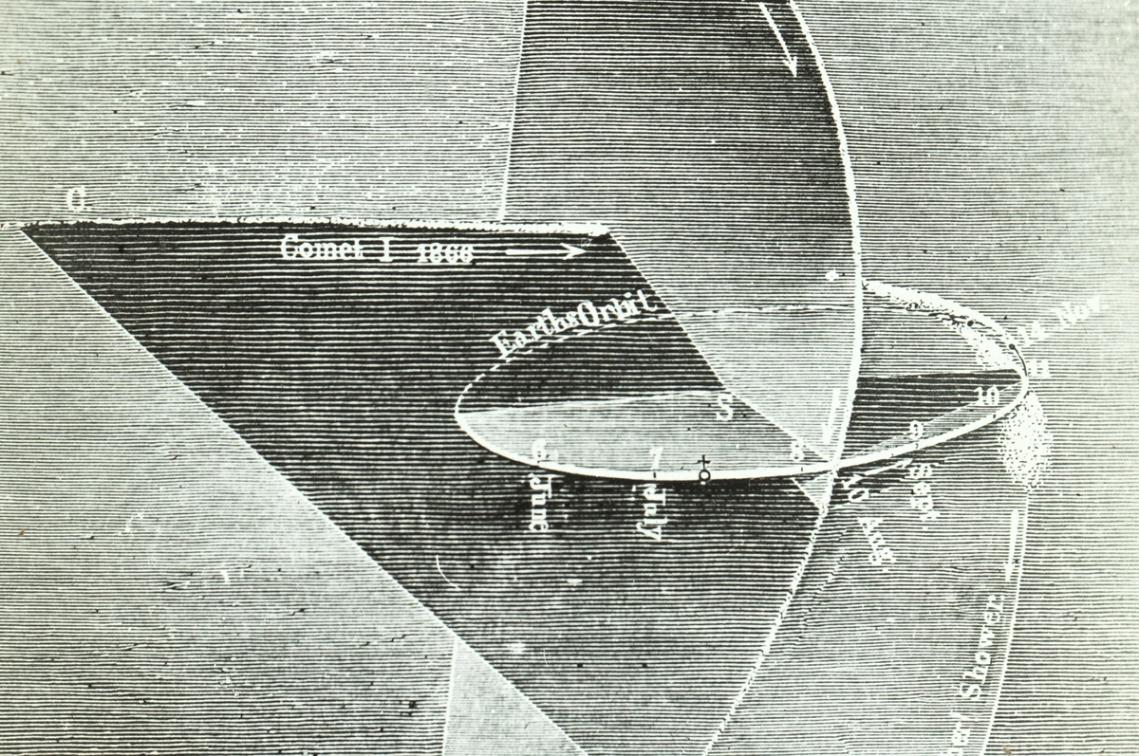
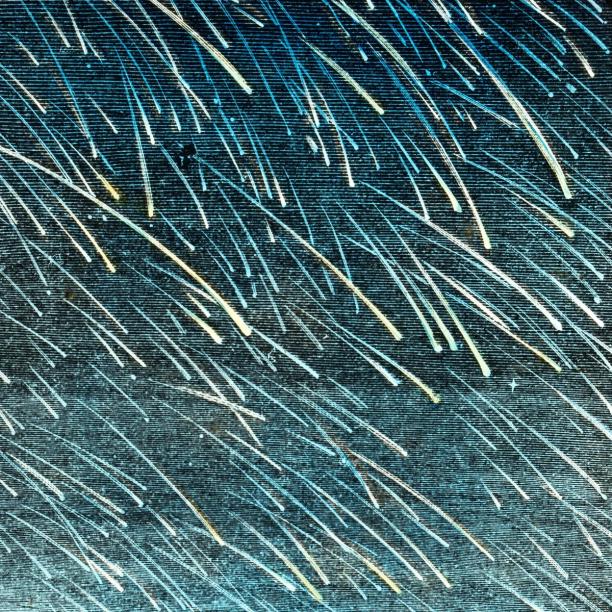
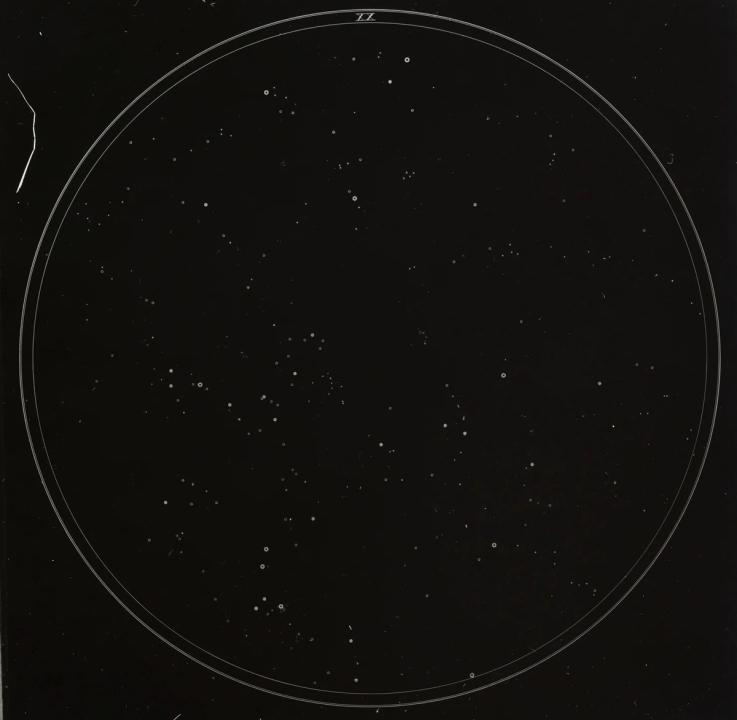
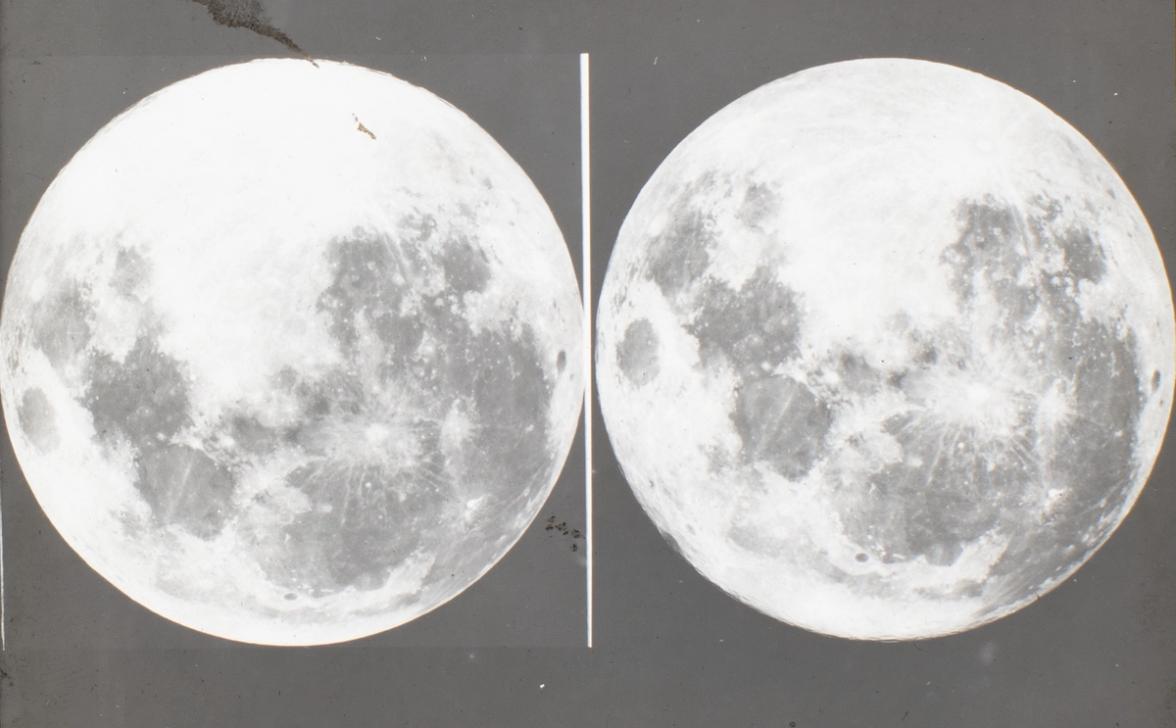
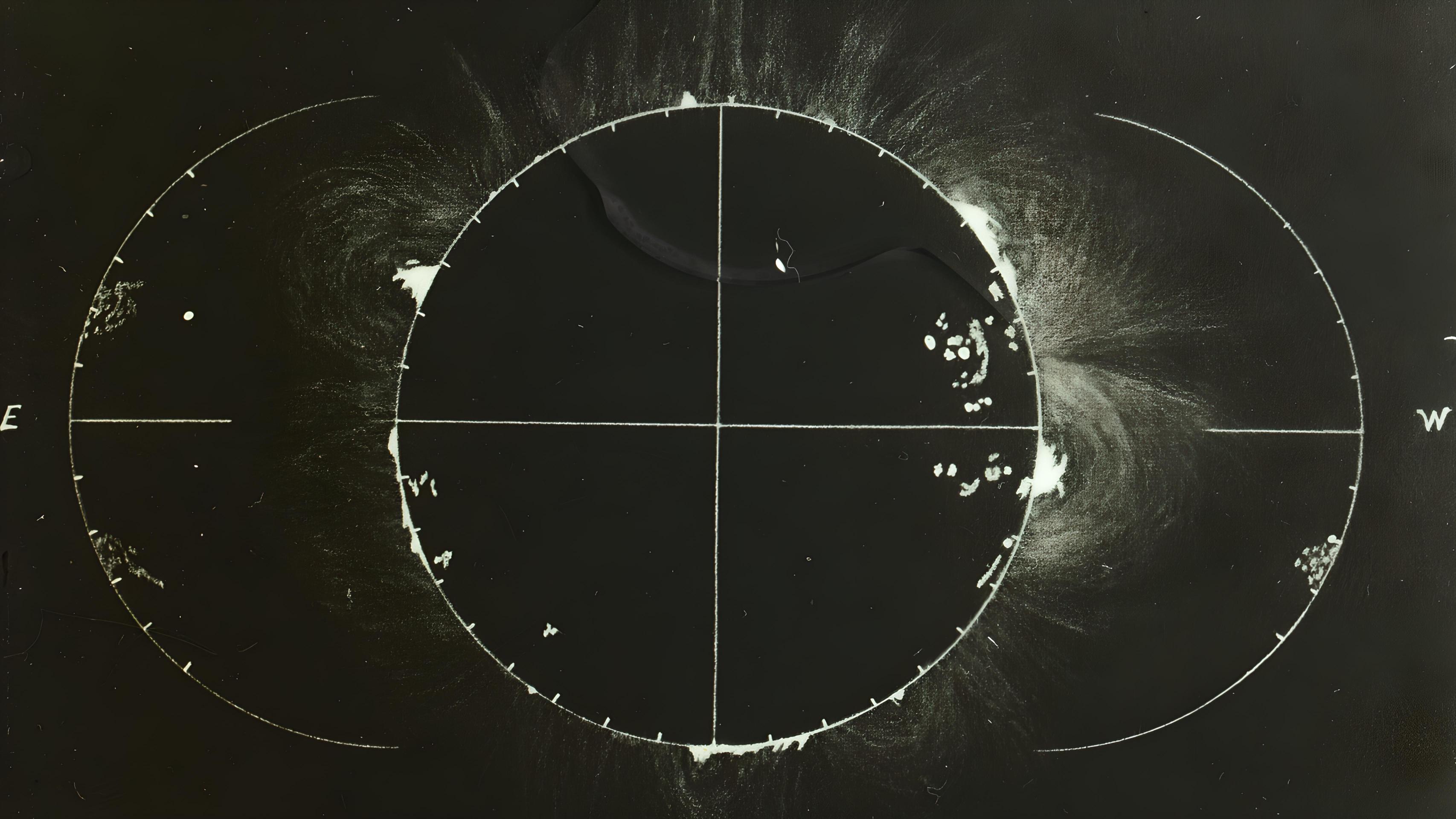
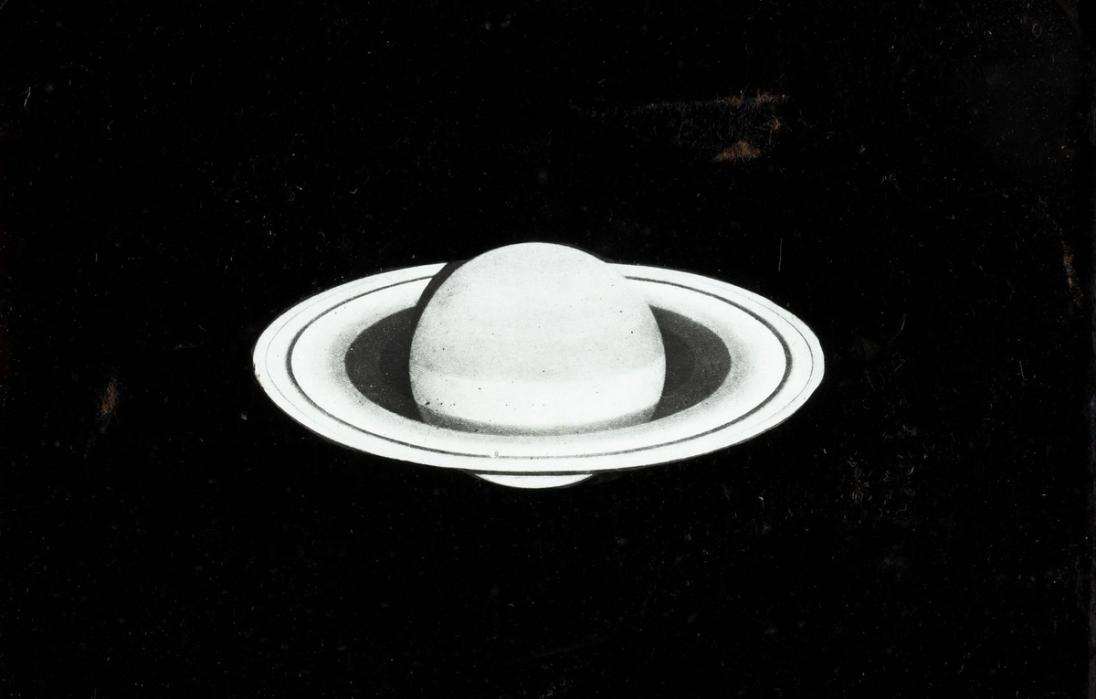
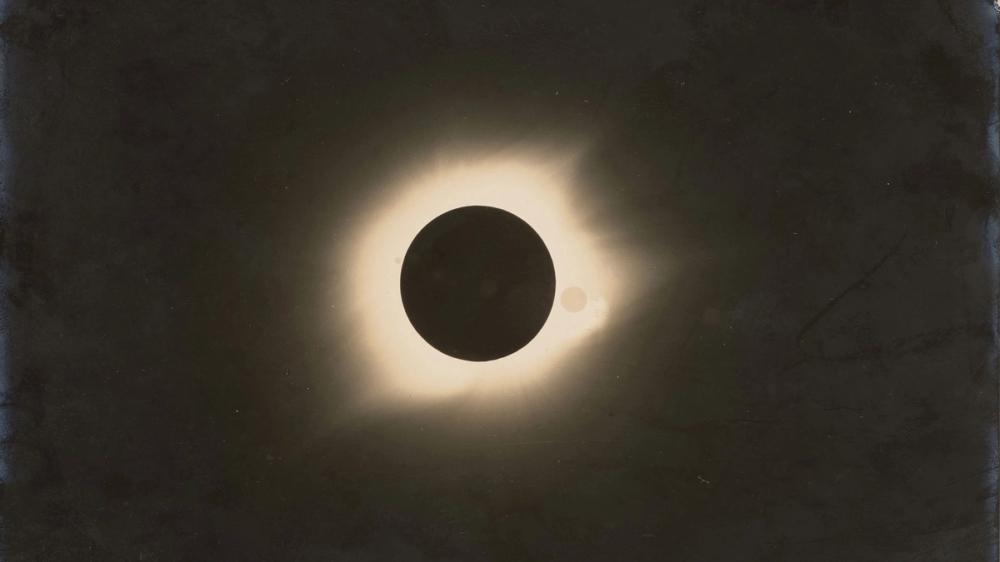
  • Magic lantern slides
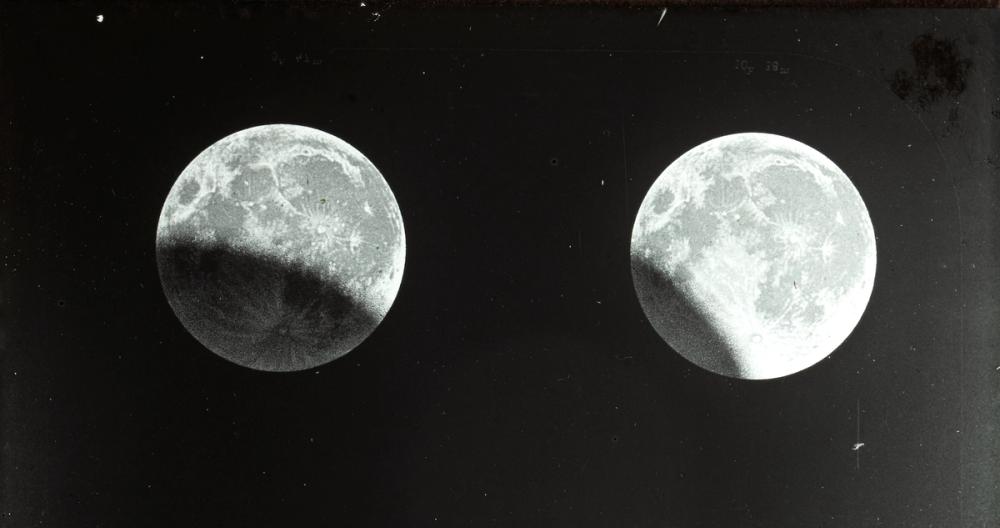
    H10273 Magic lantern single rackwork glass slides (8), showing various astronomical events and cycles, wood / glass / metal, made by Dollond, London, England, 1758-1856, used at Sydney Observatory, New South Wales, Australia, 1858-1900
  • H5602 Educational toy, (planetarium in box), ‘Spitz Junior Planetarium’, plastic/cardboard, Harmonic Reed Corporation, Rosemont, Pennsylvania, 1950-1956
  • Equatorial refracting telescope made by Hugo Schroeder
    H9886 Telescope, 11.4 inch equatorial refracting telescope, brass / glass, made by Hugo Schroeder, Hamburg, Germany, 1874, used at Sydney Observatory, Sydney, New South Wales, Australia
  • 3 ¼-inch refracting telescope, made by Banks of London
    H9888 Telescope, 3 ¼-inch refracting telescope, brass / glass / wood / paper, made by Banks, London, England, 1811-1821, used at Parramatta Observatory and Sydney Observatory
  • A transit telescope made by Edward Troughton
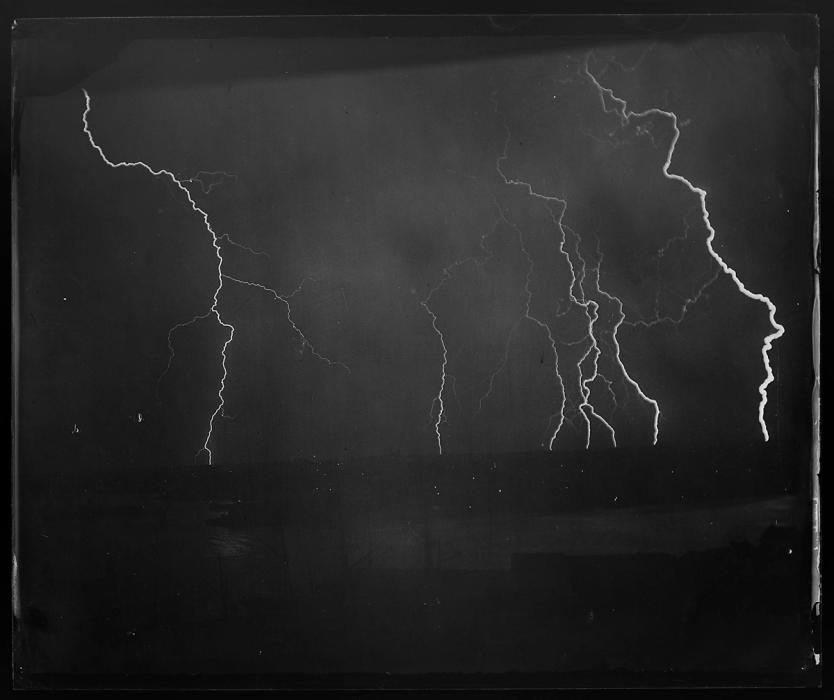
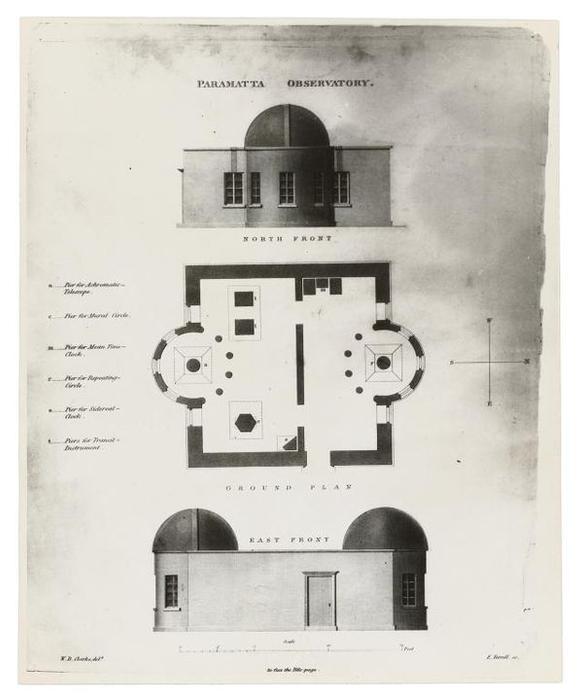
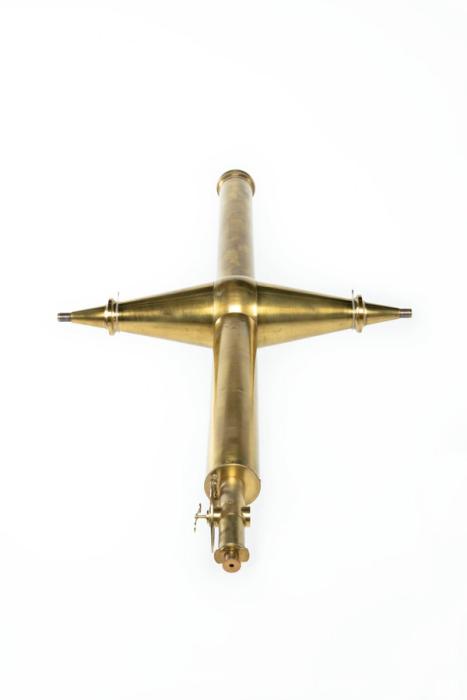
    H9891 Telescope, 3 ¾-inch transit telescope, brass / glass / wood, made by Edward Troughton, London, England, 1800-1821, used by Parramatta Observatory, Parramatta, New South Wales, Australia
  • A 16 inch repeating circle
    H9892 Repeating circle, 16 inch, brass / glass, made by Reichenbach, Utzschneider and Liebherr, Munich, Germany, 1804-14, used at Parramatta and Sydney Observatory
  • Celestial globe
    H9894 Celestial globe, wood / brass / plaster / paper / glass, made by Smith and Sons, London, England, 1790-1810, used at Parramatta Observatory, Parramatta, New South Wales, Australia
  • A 6 inch refracting transit telescope made by Troughton and Simms.
    H9899 Telescope, 6 inch refracting transit telescope, brass / glass / wood, made by Troughton and Simms, London, 1875-1877, used at Sydney Observatory, Sydney, New South Wales, Australia
  • 3 1/4″ refractor telescope in wooden case.
    H9975 Telescope, 3 1/4″ refractor with accessories in case, metal / glass / wood, made by J H Steward Ltd, London, England, 1856-1900, used at Sydney Observatory, New South Wales, Australia, 1858-1914
  • Telescope made by Dudley Adams, England
    2005/134/1 Telescope, reflecting, and case, brass / glass / mahogany / silk , made by Dudley Adams, London, England, 1788-1817
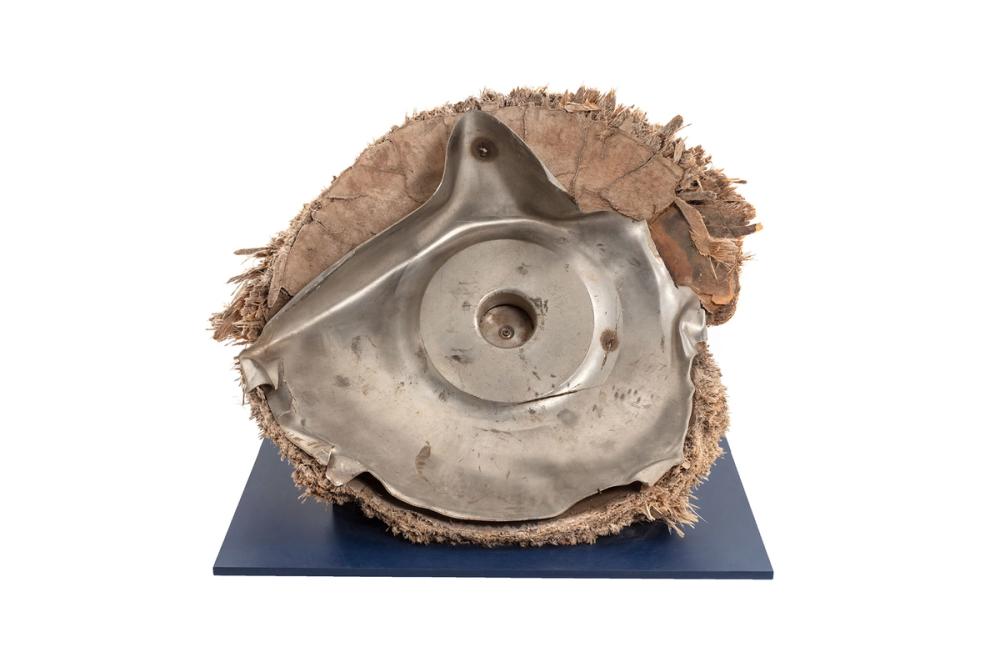
  • Molten optical glass from Mt. Stromlo Observatory
    2010/10/1 Fused optical glass, astronomical mirror, optical workshop, Mt. Stromlo Observatory, Mt. Stromlo, Australian Capital Territory, Australia, 2003

Meteorology
Our ‘Observing the weather’ exhibit includes measuring instruments such as thermometers and barometers, rain gauges and a sunshine recorder.

  • AWA radiosonde atmospheric measuring instrument
    92/414 Radiosonde, metal / cardboard / fabric / plastic, made by Amalgamated Wireless (Australasia) Ltd, Sydney, New South Wales, Australia, 1947-1948
  • Draper’s self-registering thermometer
    99/25/1 Recording thermometer, self-registering thermometer, metal / glass / paper, made by Seth Thomas / The Draper Manufacturing Company, New York, United States of America, 1887-1907
  • A hand held Robinson’s anemometer
    H10038 Anemometer, Robinson’s anemometer, metal / wood / paper, made by J Hicks, London, England, 1875-1885 used by Sydney Observatory, Sydney, New South Wales, Australia
  • Aneroid Barometer
    H10254 Aneroid barometer, metal / ceramic / glass, made by J H Steward Limited, London, England, 1885-1895
  • Ornamental weather vane
    H6706 Weathervane, ornamental, brass / wood, made by Leslie Williams, Adelaide, South Australia, Australia, 1959
  • Sunshine recorder
    H7353 Sunshine or solar recorder, Campbell-Stokes, glass / metal, used at Sydney Observatory, made by Rudolf Fuess, Steglitz, Berlin, Germany, 1895-1905
  • Rain gauge (pluviograph)
    H7354 Rain gauge (pluviograph), wood / brass / galvanised iron / glass, made and used by Sydney Observatory, Sydney, New South Wales, Australia, 1860-1900
  • Fortin type barometer
    H9908 Barometer, fortin-type barometer, mercury / wood / metal / glass, made by Newman and Sons, London, England, [1833-1855], used at Sydney Observatory, Sydney, New South Wales, Australia, 1858-1900

Timekeeping
The Observatory’s historically significant clocks and chronometers include the Earnshaw chronometer used by Matthew Flinders in the first circumnavigation of Australia in 1801 – one of the Museum’s treasures.

  • Long case clock by Thomas Earnshaw
    94/15/1 Long case clock, astronomical regulator, sidereal time, metal / mahogany, Thomas Earnshaw, London, England, 1791
  • H10466 Clock, chronometer escapement, brass/steel/wood/glass, Sinclair Harding, England, 1984
  • Matthew Flinders marine chronometer
    H3940 Box chronometer, serial No 520, brass / wood / steel / glass, made by Thomas Earnshaw, London, England, 1801, used by Captain Matthew Flinders, 1801-1803
  • Breguet mean-time regulator clock
    H9890 Regulator clock, Breguet mean-time regulator clock, metal / wood / paper, made by Breguet and Sons, Paris, France, 1818, used at the Parramatta and Sydney Observatory’s, Parramatta and Sydney, New South Wales, Australia
  • Regulator clock by Charles Frodsham
    H9903 Sidereal regulator clock, wood / metal / glass, made by Charles Frodsham, London, England, 1835-1885, used at Sydney Observatory, Sydney, New South Wales, Australia
  • Chronometer made by Richard Hornby
    H9924 Box chronometer, number 419, wood / metal / glass, made by Richard Hornby, Liverpool, England, 1830-1837, used at Sydney Observatory, Observatory Hill, Sydney, New South Wales, Australia

Surveying
Some surveying equipment is also on display because Sydney Observatory was involved in surveying of New South Wales in the mid 19th century.

  • Dip circle used to study the earth’s magnetic field at Parramatta Observatory
    H7507 Inclinometer, (also called dip circle or dipping compass), metal / wood / glass, made by Gambey à Paris, Paris, France, [1815-1818]