HISTORIC BUILDINGS AND GROUNDS
THE SITE
The site of Sydney Observatory, now known as Observatory Hill, was previously known as Windmill Hill, Citadel Hill, Fort Phillip and Flagstaff Hill, describing its functions over time. All of these functions relied on its location as the highest point overlooking Sydney Harbour. For all of these functions, it had to have a clear view to the distance and be clearly visible, so its setting has some of the best views in Sydney.
THE OBSERVATORY BUILDING
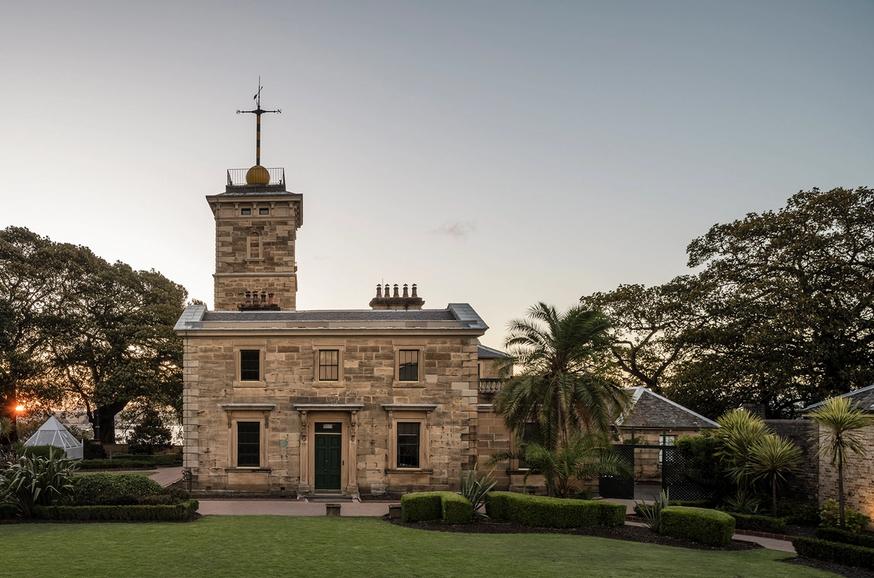
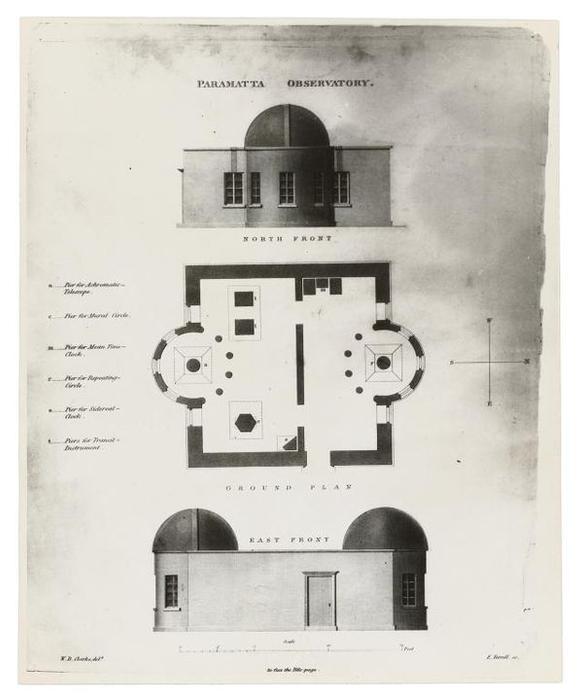
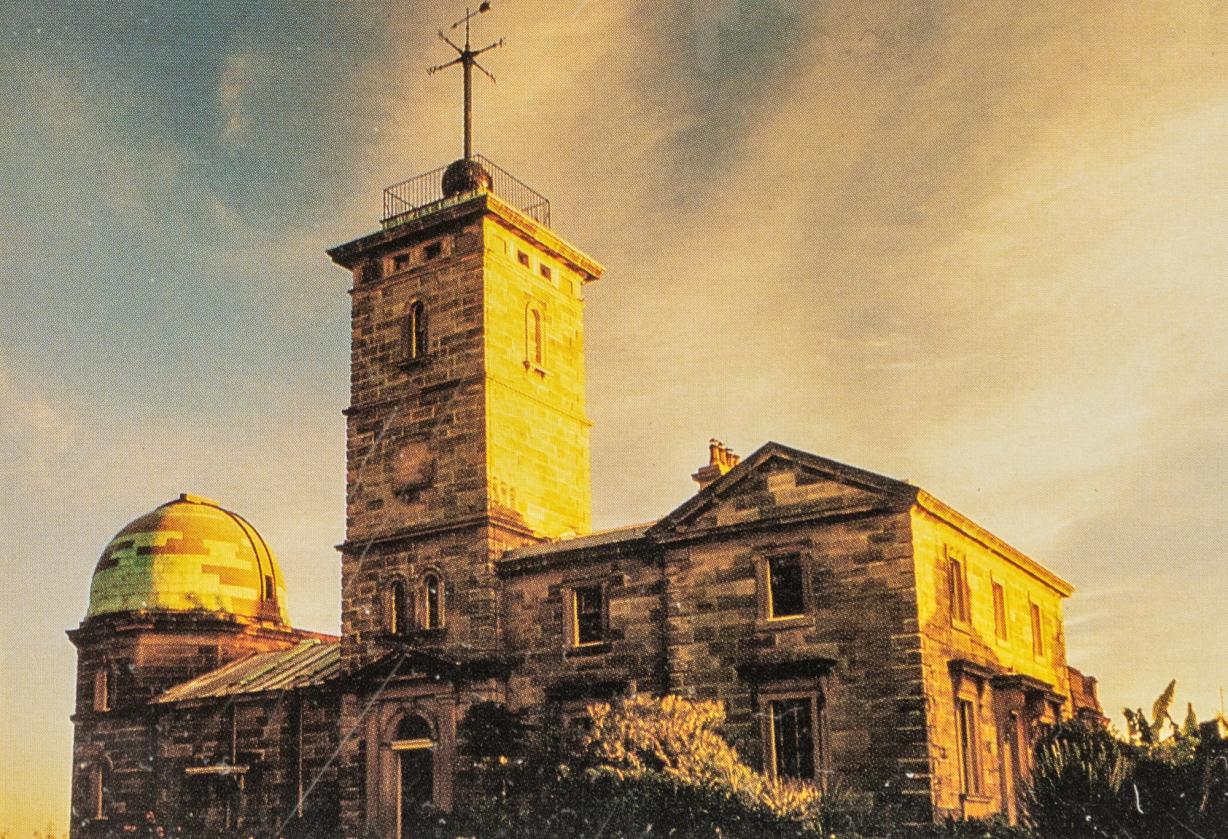
Sydney Observatory was built between 1857 and 1859. Its design combined the practical needs of an observatory and astronomer’s residence with the impressive appearance of a public building in an Italianate style.

In keeping with the Observatory’s time-keeping role, the tower and time ball were given greater prominence than the telescope dome.
Our self-guided tour and plan of the Observatory building will give you an idea of what you can see and do here.
The Powerhouse Museum Online Public Access Catalogue has information about the history of Sydney Observatory.
The telescope in the south dome
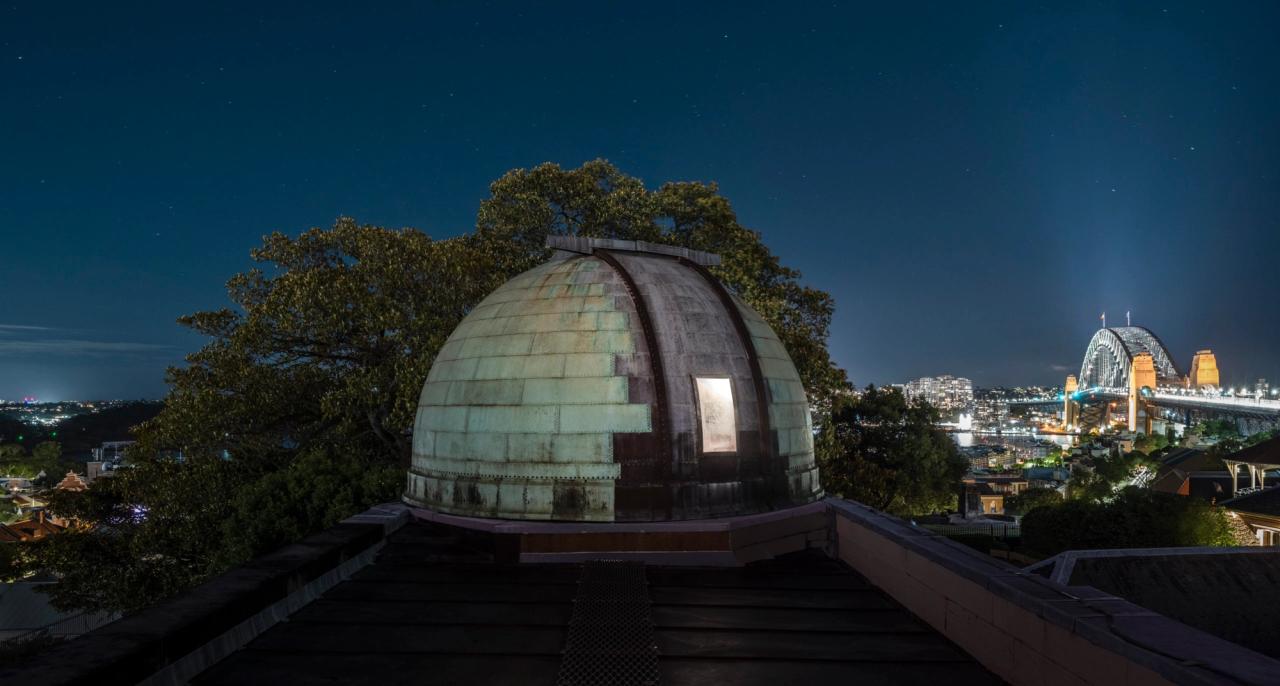
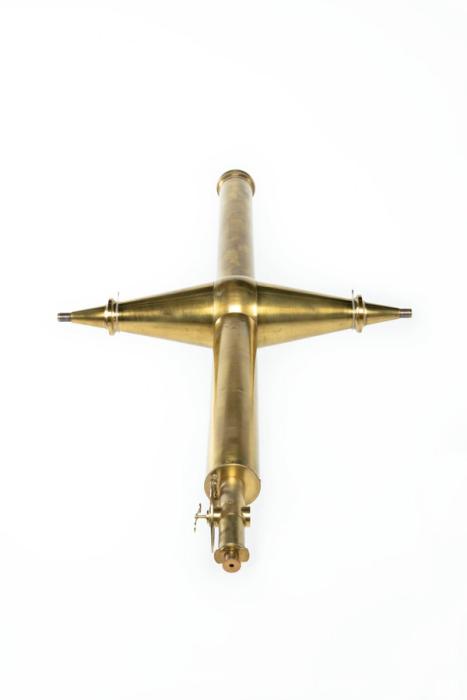
The beautiful telescope in the south dome was installed to observe the 1874 Transit of Venus. It is the oldest working telescope in Australia and is of immense historic importance. It has a large lens of 29cm diameter at the far end of the tube. From the large lens the light is focussed down the tube towards the eyepiece. It can be viewed from the staircase but entry is only possible on sessions guided by Observatory staff.
The telescope in the north dome
The north dome and west office wing were added to the Observatory in 1878. The extension was designed by the government architect James Barnet. The north dome was needed because the time ball tower blocks much of the view of the eastern sky from the original south dome. The north dome now houses the state-of-the-art computer-controlled 40cm reflecting (mirror) telescope. Entry only on sessions guided by Observatory staff.
The lecture room and 3D space theatre
Until 1882, this was the astronomer’s drawing room. To be able to make observations whenever necessary, the government astronomer needed to live on site. The residence occupied the eastern half of the building.
The 1888 photos of the drawing room (now the lecture room) are on view in the Russell Room, directly above, and look north towards the new French windows in the extension to the room, and south to the passage door.
Mapping the sky from Sydney Observatory
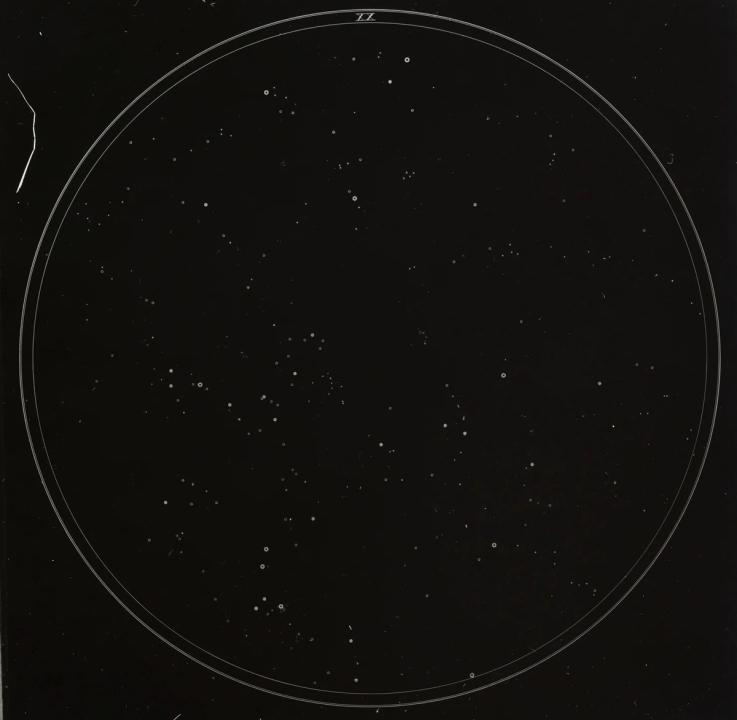
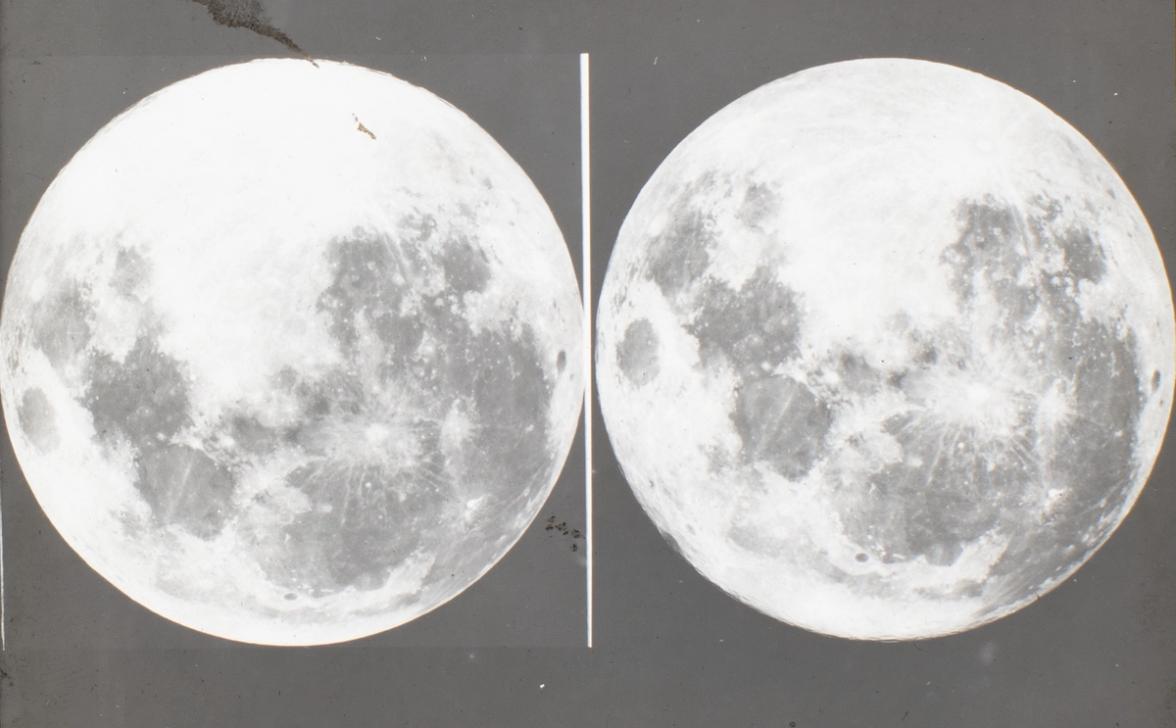
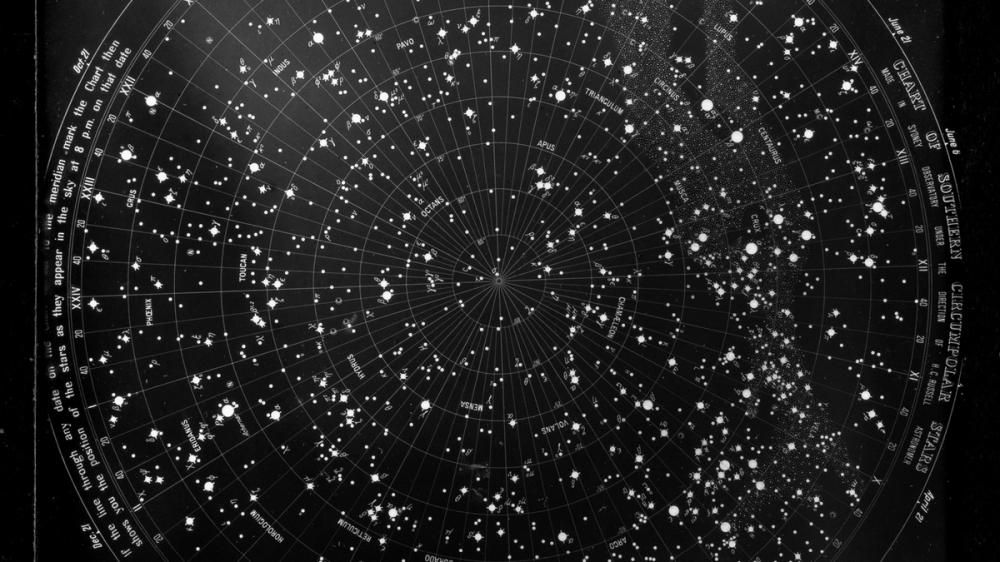
From 1887 Sydney Observatory took part in an international project to photograph and map the entire sky. It took almost 80 years for the Observatory to document the large zone of the southern sky it had been allocated.
Many of the photographs were taken from a telescope that was positioned in what is now part of the grounds of Sydney Observatory near the front entrance gate (a sign marks the spot). The telescope was housed in a corrugated iron shed before a brick dome was built.
Meteorological readings
The Observatory published Australia’s first weather map in 1887. Weather readings were taken in the grounds of Sydney Observatory until 1917. The Bureau of Meteorology still takes readings nearby.
From 1866 the main thermometer was protected by a shade-house like the white lattice reconstruction on the front lawn. Rain gauges and other instruments were kept on the front lawn.