
Blue moon in June

A blue Moon??_Nick Lomb

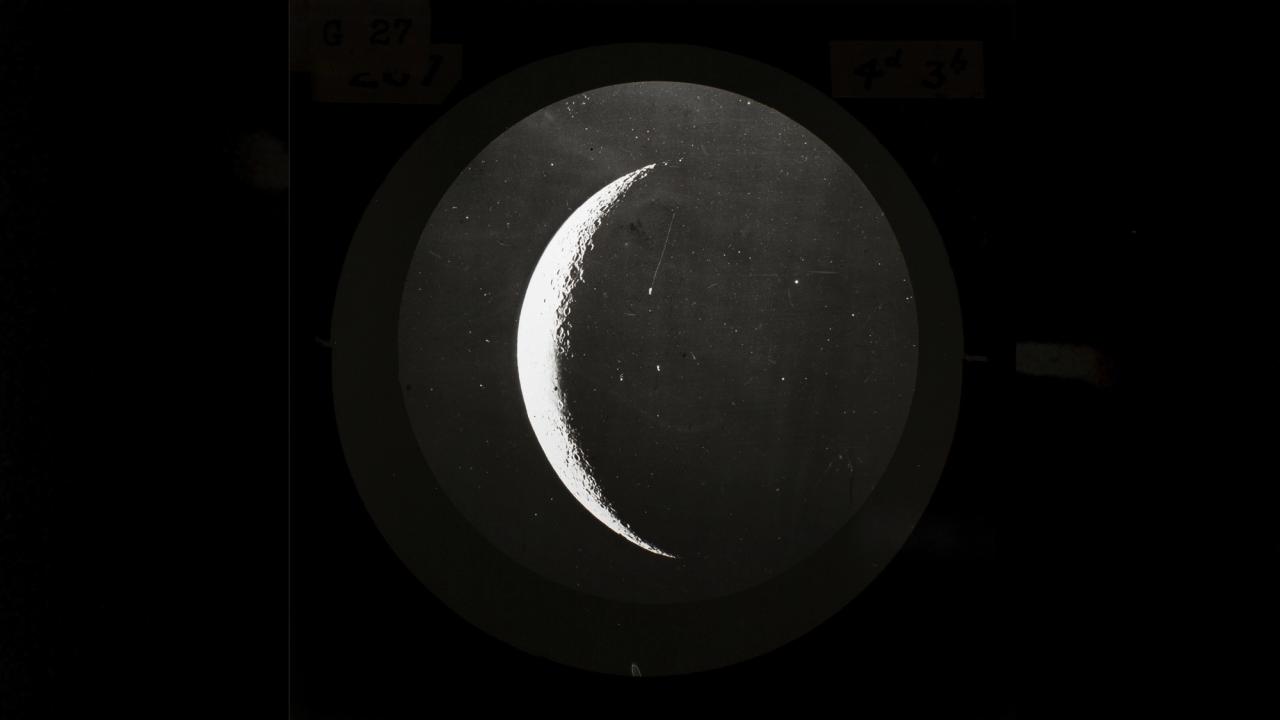
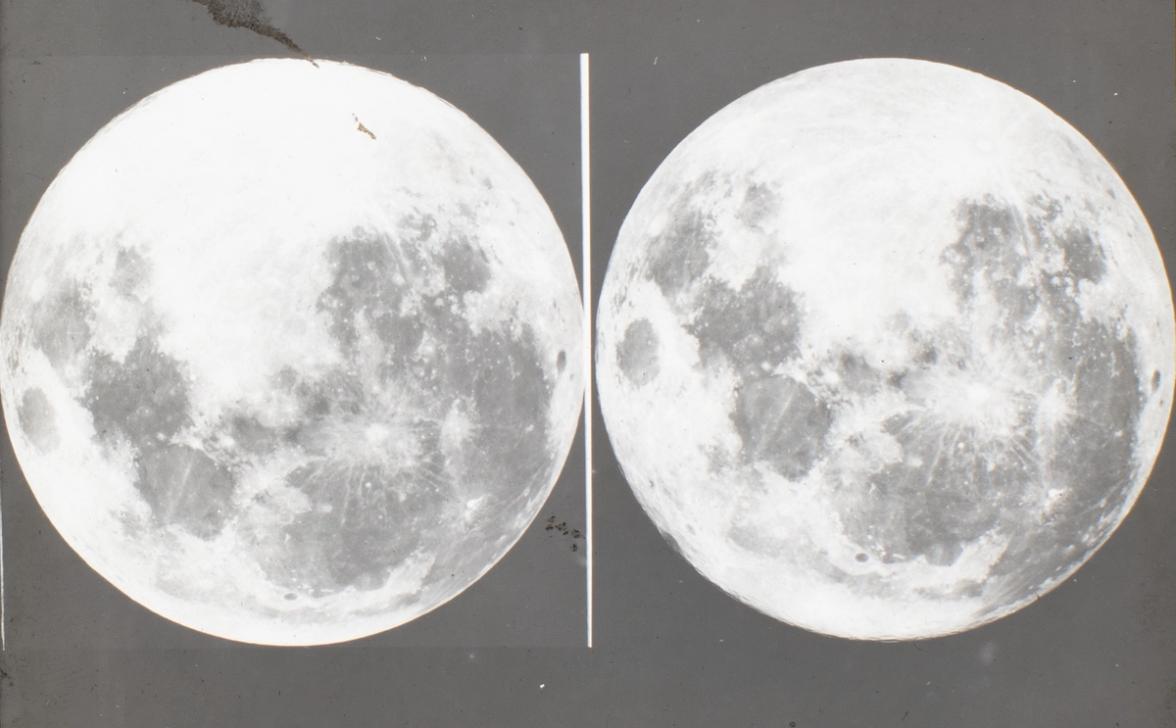
A picture of the Moon made to look blue, image & image fiddling Nick Lomb

This month in Eastern Standard time there will be a blue moon on Saturday 30 June. In response to a question in yesterday’s (6 June 2007) Column 8 in the Sydney Morning Herald, here is a brief guide.

What is a blue moon?
A blue moon is the second full moon in a calendar month.

Why are they called blue moons?

This use of the term can be dated to an article by James Hugh Pruett in 1946 in a popular American astronomy magazine called Sky & Telescope.

How often do they occur?
The phases of the Moon tend to repeat in a cycle of 19 years as discovered by the Greek astronomer Meton of Athens about 2400 years ago. In a Metonic cycle it is easy to show that there are seven more full moons than calendar months. Hence there are seven blue moons in each metonic cycle and the average interval between blue moons is two years and nine months.

When is there another blue moon in June?
There isn’t one up to 2050. As there is one in June 2007 it would be a reasonable guess to assume that there would be one in June 2026, but in 2026 the blue moon slips to May.

When is the next blue moon?
30 March 2010

21 Responses to “Blue moon in June”

  1. Diane  on June 25th, 2007

    can it be seen on the west coast? date and time?

  2. Nick Lomb  on June 25th, 2007

    Hello Diane. If you mean the west coast of Australia then yes it can on the same dates as on the eastern part of the continent. If you mean the west coast of USA and Canada then no it cannot be seen. There was a blue moon there the previous month in May with the first one on the 2nd and the blue moon on the 31st.

  3. Natalie  on June 29th, 2007

    Hi,

    What is the best time to see the blue moon from Queensland?

  4. Nick Lomb  on June 29th, 2007

    Hello Natalie. The Moon should be visible after sunset tomorrow evening. It should be a nice full Moon, but don’t expect it to look blue!!

  5. Robin Hall  on December 7th, 2007

    Hi, your site indicates that the next Blue Moon will be 30 March 2010 but other sites suggest New years eve 2009. Which is correct?

  6. Nick Lomb  on December 7th, 2007

    Hi Robin

    It all depends on your time zone. From Australia there will not be a full Moon on 31 December 2009, as the instant the Moon is full takes place on the morning of 1 January 2010.

    But, OOPS, as can be seen from the list of Blue Moons published the day after this post http://www.sydneyobservatory.com.au/blog/?p=458 the next one from Sydney is in fact on 30 January 2010.

  7. gemma  on July 21st, 2008

    i saw the moon on Saturday night about 11.30 and it had a big massive ring around it… did anyone else see that and if so do you know what it was caused by?

  8. Nick Lomb  on July 21st, 2008

    Hello Gemma. Please see the link below for an explanation. http://www.sydneyobservatory.com.au/blog/?page_id=342#comment-39795

  9. Peter  on April 15th, 2009

    In the list of blue moons 2007 – 2050 on the website you mention one possible blue moon was eliminated as it doesn’t qualify under daylight saving time.
    Would like to know when & what time is the one you are referring to.
    thanks
    Peter

  10. Sarah  on May 13th, 2009

    Is a blue moon really the second full moon in a calendar month, or is it (as Wikipedia suggests) the third full moon in a season with 4? Also http://www.skyandtelescope.com/observing/objects/moon/3304131.html

  11. Nick Lomb  on May 14th, 2009

    Hello Sarah. The third full Moon in a season of four was the earlier definition, but since James Hugh Pruett made his mistake in a 1946 issue of Sky & Telescope, the common usage has been to call the second full Moon in a month a blue moon. See here.

  12. Weave  on December 2nd, 2009

    Hi, Thanks for your information. Do I take it
    after much removal from the point, every 2.7 years there is a blue moon.

    Thanks

  13. Nick Lomb  on December 3rd, 2009

    Hello Weave. An average, yes, there is a blue Moon every 2.7 years.

  14. steve m  on December 16th, 2009

    When was the last time a Blue Moon was on New Years Eve?

  15. Nick Lomb  on December 19th, 2009

    Hello Steve M. I don’t know, but there isn’t a blue moon on 31 December 2009, not from Australia anyway. See list of blue moons from 2007 to 2050 here.

  16. e1_nino  on January 29th, 2010

    Hi,
    Just wondering….what’s sp special about sighting a blue moon?? is there any difference to how a normal full moon looks??

    thank you :)

  17. Mohekey  on January 30th, 2010

    Its just a full moon everyone walk out side when its dark and look up.
    By the way there is a blue moon tonight 30/1/2010.

    2 blue moons this year and Febuary dont get a full moon at all this year

  18. Lisa  on February 1st, 2010

    Hi, I’m quite shocked to discover that your description of a blue moon is a popular misconception.

    A “blue moon” is the fourth full moon occurring in a season – NOT the 2nd full moon in the month. This misconception dates from an almanac written in the 1940′s where the author used the second definition to simplify the first.

    There was an aricle discussing and clarifying this misconception at length in Nature about 5 years ago.

    Hope this helps.
    Lisa :)

  19. Nick Lomb  on February 2nd, 2010

    Hello Lisa. You are quite right that the definition of a blue Moon as the second full Moon in a month is based on an error. The error originated in an article published in Sky & Telescope magazine by amateur astronomer James Hugh Pruett in 1946. The magazine revealed and admitted the error in its May 1999 issue. In whatever way it originated, the mistaken definition has stuck and is now the one that is used internationally.

  20. geoff  on April 1st, 2010

    Took an excellent photo of the ‘blue moon’over the river at Noosa ( QLD) on 30 March 2010. Is there any explanation for the use of the colour ‘blue’? I suggest that it might be poetic in origin.

  21. Nick Lomb  on April 1st, 2010

    Hello Geoff. You are probably right regarding the origin of the word “blue” in “blue Moon”. I would assume it is related to the phrase “once in a blue Moon” meaning a rare event. If you have a good photo maybe you could send a low resolution (400 pixels wide) version with comments on how you took it to “observatory ‘at’ phm.gov.au and mark it to my attention. We maybe able to display on the Observatory blog.


Leave a Reply