


Go west young astronomer to see the Moon hide Jupiter and its moons on 18 February 2013

Go west young astronomer to see the Moon hide Jupiter and its moons on 18 February 2013

Published by Nick Lomb on February 5, 2013 3 Comments

Jupiter_30 January 2013_IMG_1854

Jupiter and its four Galilean moons on the evening of 30 January 2013. Europa is on the left, Io is too close to the planet to see, then Ganymede and, finally, on the right Callisto.Picture Nick Lomb

Currently, the bright planet Jupiter is prominent each evening in the northern sky. On the night of Monday 18 February, as seen from Sydney, the first quarter Moon will be gliding past Jupiter around midnight. The sight will be worth staying up for, with the separation between edge of the Moon and the planet only about three minutes of arc – this angular distance is equivalent to only about a tenth of the Moon’s width.

Start occultation_Melbourne_11_25pm

The dark edge of the Moon about to start covering Jupiter and its four Galilean moons at 11:25 pm on 18 February 2013. Diagram Nick Lomb using Stellarium software

However good the sight will be from Sydney, it will be better from places such as Melbourne, Hobart, Adelaide and Perth where onlookers will see the Moon actually cover or occult Jupiter. In those places people with a small telescope will not only see the planet itself disappear, but over a period of about 20 minutes see its four Galilean moons covered one at a time. And a little later, over a period of about ten minutes, Jupiter and its four moons will reappear at the bright edge of the Moon.

End occultation_Melbourne_12_17am

The end of the occultation with Jupiter and its four Galilean moons reappearing from behind the Moon as seen from Melbourne at 12:17 am on 19 February 2013. Diagram Nick Lomb using Stellarium software

Times for the disappearance and reappearance of Jupiter from a few state capitals on the evening of Monday 18 February and the morning of Tuesday 19 February 2013:

Place…….Disappearance……..Appearance
Adelaide….11:00 pm CDT……..11:37 pm CDT
Hobart…….11:22 pm AEDT……12:13 am AEST
Melbourne..11:33 pm AEST…….12:10 am AEST
Perth………..7:40 pm WST…. …..8:46 pm WST

Times for more places are available from the website of The International Occultation Timing Association.

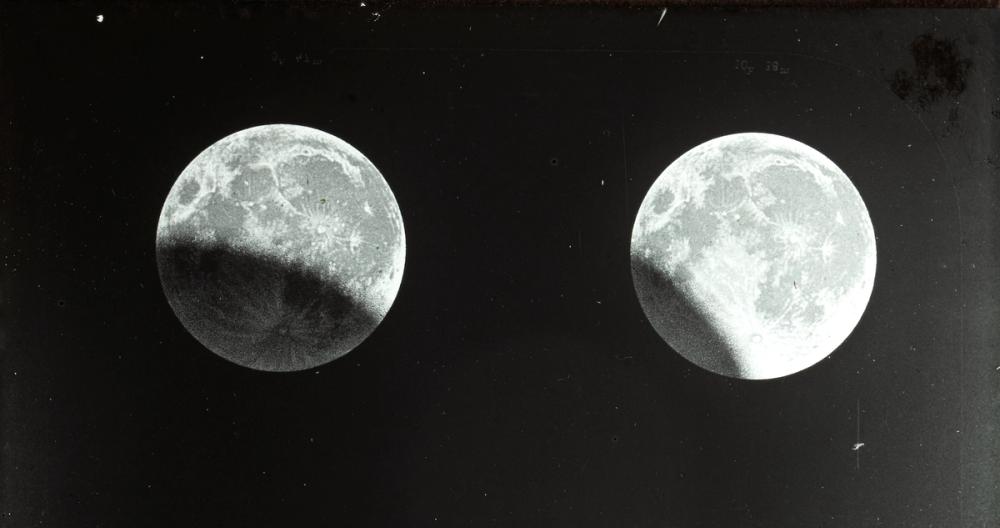
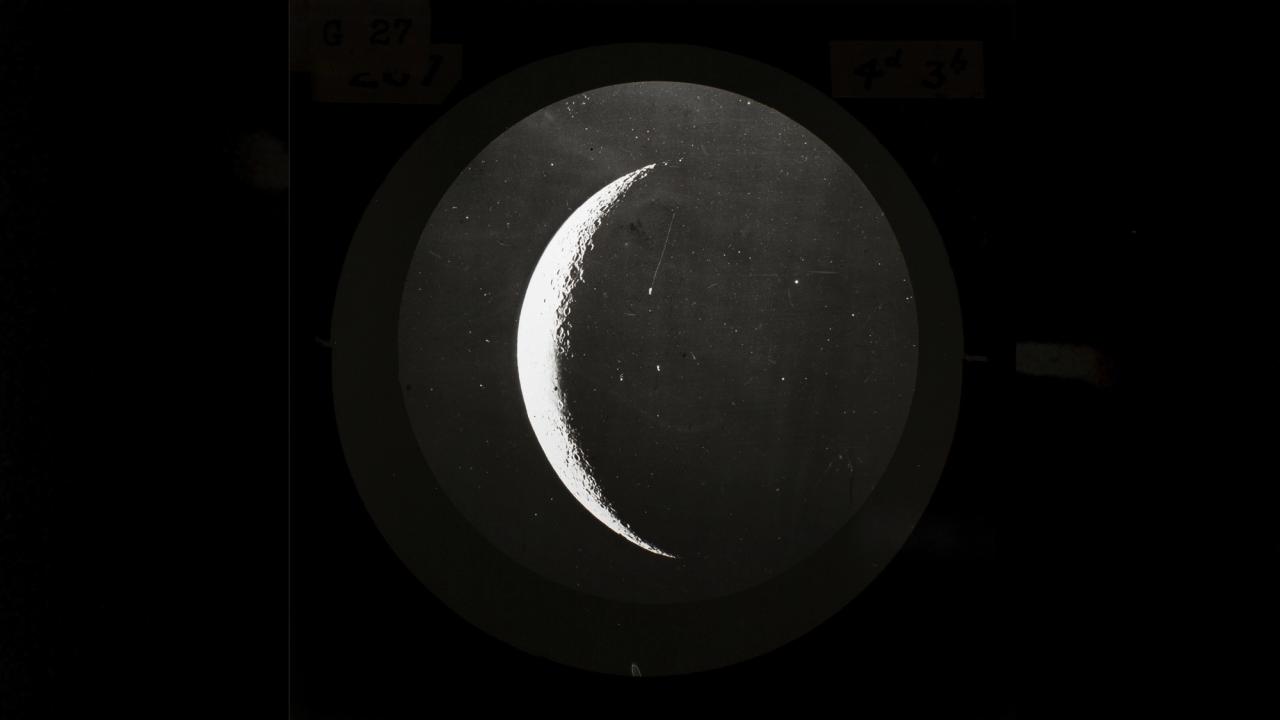
In the past astronomers used occultations of stars by the Moon to refine the path of the Moon and its shape. Such observations were regularly made at Sydney Observatory with its astronomers on occasion even taking over the main telescope during public viewings for a few minutes – for visitors this was often a highlight of their tour. Some advanced amateur astronomers continue to make such observations.

Whether you observe the Moon narrowly miss Jupiter from Sydney or take the opportunity to go west to see the occultation, you should see a great sight and have the opportunity to take some impressive photos. All that is needed is a clear sky!

Leave a Reply

3 Responses to “Go west young astronomer to see the Moon hide Jupiter and its moons on 18 February 2013”

  1. February 19, 2013 at 9:09 pm, On Jupiter, stargazing and our place in the universe « hub & spoke: justine hyde said:

    [...] reaches beyond our generations, continents and spiritual and rational beliefs. Last night, our moon occulted Jupiter. The sight of the planet glowing brightly near our moon was beautiful. The haze from bushfires [...]

    Reply

  2. February 11, 2013 at 11:31 am, Robert Tulip said:

    Astronomer Curt Renz has produced graze path maps and timing chart for Melbourne at his website http://www.curtrenz.com/occultations

    I live in Canberra. Do you know if any of the moons will be occulted here?

    Thanks for the images.

    Reply

    • February 11, 2013 at 12:27 pm, Nick Lomb said:

      Hello Robert. Thanks for the link. Canberra just misses out on the occultation but Jupiter and its four Galilean moons do get very close to the edge of the Moon. At midnight (just before the Moon and Jupiter slide below the horizon) Ganymede is just 30 seconds of arc from the edge of the Moon. That should be a great sight from a spot with a good view of the NW horizon – over Lake Burley Griffin perhaps?

      Reply

About

The 'Observations' blog is run by the staff of Sydney Observatory which is located at Observatory Hill, The Rocks, in Sydney, Australia.

This site is for discussion purposes only and does not represent the official views of Sydney Observatory. Any views expressed on this website are those of the individual post author only. Sydney Observatory accepts no liability for the content of this site.

Please direct any correspondence about the content of the blog to:
observatory [at] phm.gov.au
and about web matters to:
web [at] phm.gov.au.


Search