




Farewell Neil Armstrong
X marks the spot at the edge of the Sea of Tranquillity where Neil Armstrong together with Buzz Aldrin landed in July 1969. The gibbous Moon was pictured on the morning of 10 May 2012. Photo Nick Lomb
Neil Armstrong, the American astronaut who guided the Lunar Module Eagle for a safe landing on the Moon and who a few hours later became the first person from Earth to step onto the surface of another world, has died at the age of 82. That first step onto the Moon took place 43 years ago at 12:56 pm AEST on 21 July 1969.
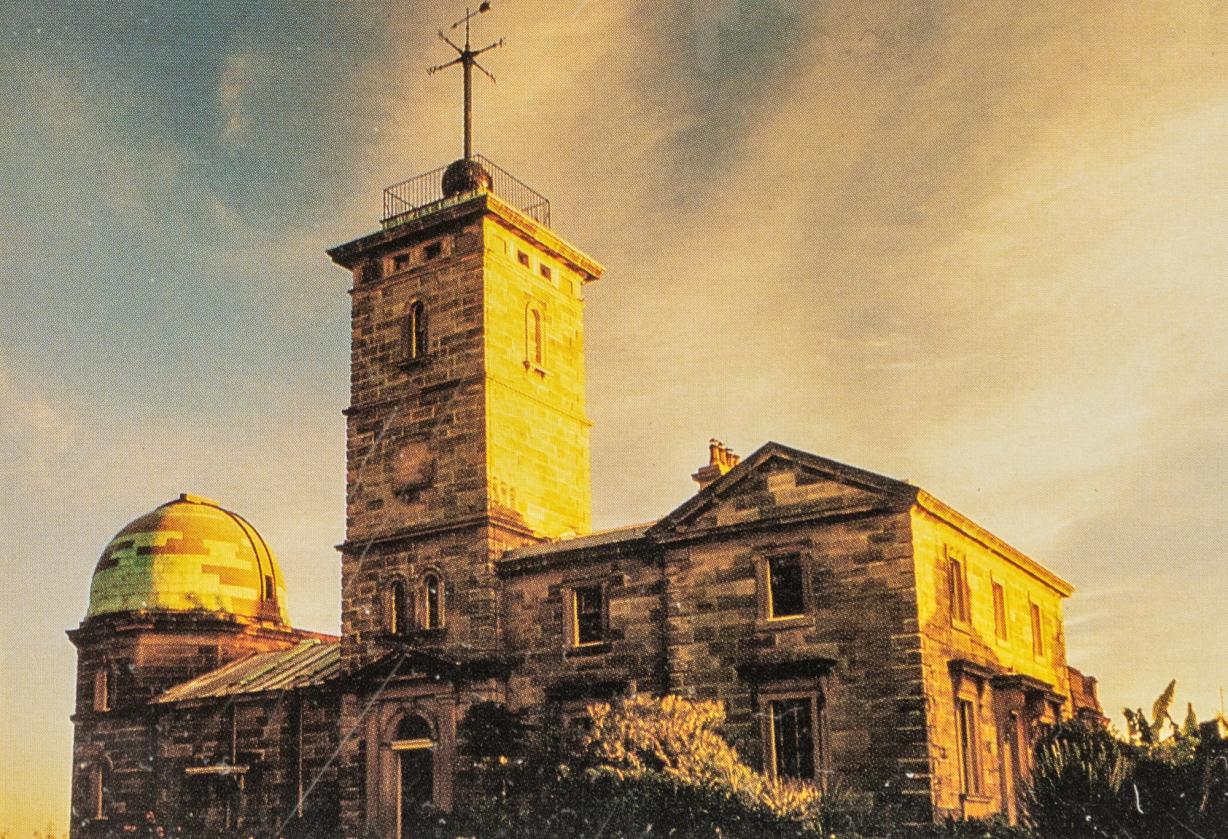
For those who were alive at that time and old enough to appreciate what was happening, the first blurry images from the Moon represented one of humanity’s greatest achievements and a time of great expectations about the future. As usual, what eventuated over the following decades was not what had been expected. After a few more trips to the Moon by astronauts between 1969 and 1972, public and political interest evaporated despite better cameras, Moon buggies and exciting geological finds. Astronaut Eugene Cernan who took part in the Apollo 17 mission in 1972 quite correctly identified himself in the Sydney Observatory’s VIP visitors book as ‘the last man on the Moon’.
A lunar module of the type used by Neil Armstrong and Buzz Aldrin in 1969 for their Moon landing on display at the National Air and Space Museum in Washington DC. Photo Nick Lomb
Though there has been no follow up to the Apollo missions to the Moon, the large amounts of samples of lunar material brought back to Earth by the astronauts revolutionised scientist’s understanding of the Moon. At the time Neil Armstrong walked on the Moon there was no satisfactory theory of the origin of that body. Three different theories had been proposed: the fission theory in which the Moon broke off a fast-spinning Earth, the capture theory in which the Earth had managed to capture a passing large asteroid that became the Moon and the double planet theory according to which the Earth and the Moon formed from the same large cloud of materials left behind after the formation of the Sun. All three of these theories had serious problems that made it unlikely that they were correct.
The currently accepted theory based on the findings of the lunar missions is that in the early days of the solar system a Mars-sized body hit the Earth and threw up into orbit a large chunk of its crust and mantle. These materials coalesced to form the Moon. The theory explains many of the observations including the Moon’s lack of an iron core like the Earth and the other planets.
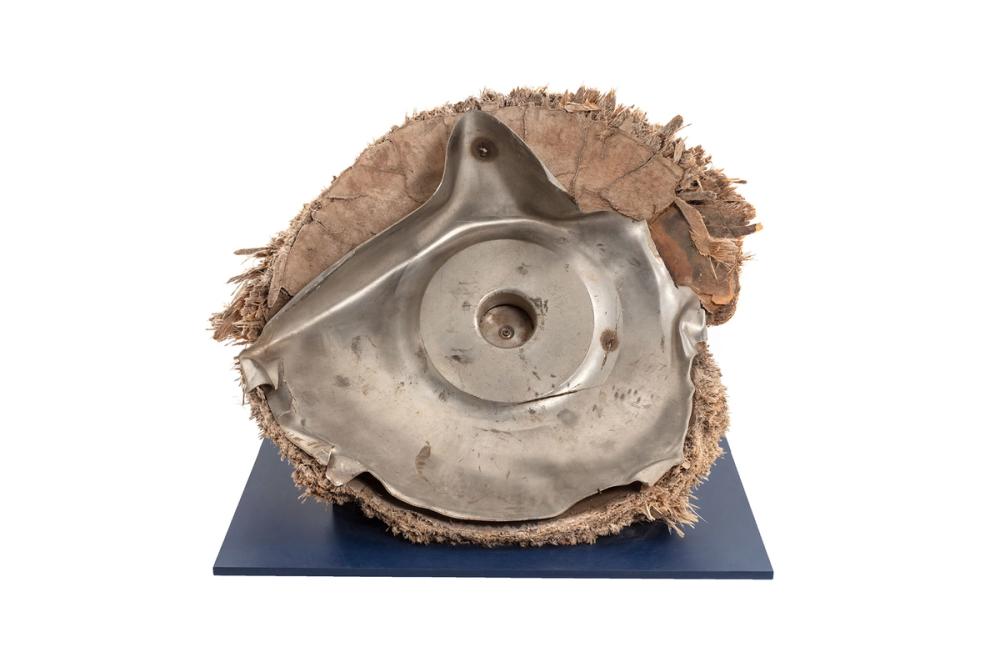
The Apollo 11 capsule in which Neil Armstrong and Buzz Aldrin, together with Michael Collins who had been left circling the Moon during the landing, returned to Earth. It is pictured on display at the National Air and Space Museum in Washington DC. Photo Nick Lomb
Prior to becoming an astronaut, Neil Armstrong had been a military pilot and later a test pilot. In the latter capacity he had piloted the famous record-setting, rocket-powered aircraft, the X-15. As an astronaut on Gemini 8 he performed the first docking of two vehicles in space. That was a necessary step on the way to the Moon landings.
The first Moon landing was a mission of exploration like some of the great voyages of the past. Neil Armstrong will be sadly missed. But, as his family said in a statement:
For those who may ask what they can do to honor Neil, we have a simple request. Honor his example of service, accomplishment and modesty, and the next time you walk outside on a clear night and see the moon smiling down at you, think of Neil Armstrong and give him a wink.


August 27, 2012 at 9:44 pm, Irma said:
Thanks, Nick, for this post in honour of Neil Armstrong and his singularly valorous life. I remember the day of the Moon landing well. I was a junior high school student in Melbourne. In the morning we were all so excited, and asked when we’d be watching it on television. Our teachers had made no arrangements for this and said we would just be having our normal scheduled classes. At the age of about 13 we were aghast. That was the first time my friends and I ever ‘wagged’ school – to go to a friend’s house and watch it on television there.
I think our actions made the teachers realise this event might have some educational value. When we went back to school in the afternoon, they had borrowed the school caretaker’s very small black and white television set, and placed it up high in a classroom, and crowded some hundred of us in to watch more of the event on the television. Nobody mentioned our wagging, and we were not punished for it.