




The Great Comet of 1881

The Great Comet of 1881

Published by Nick Lomb on May 31, 2007 No Comments

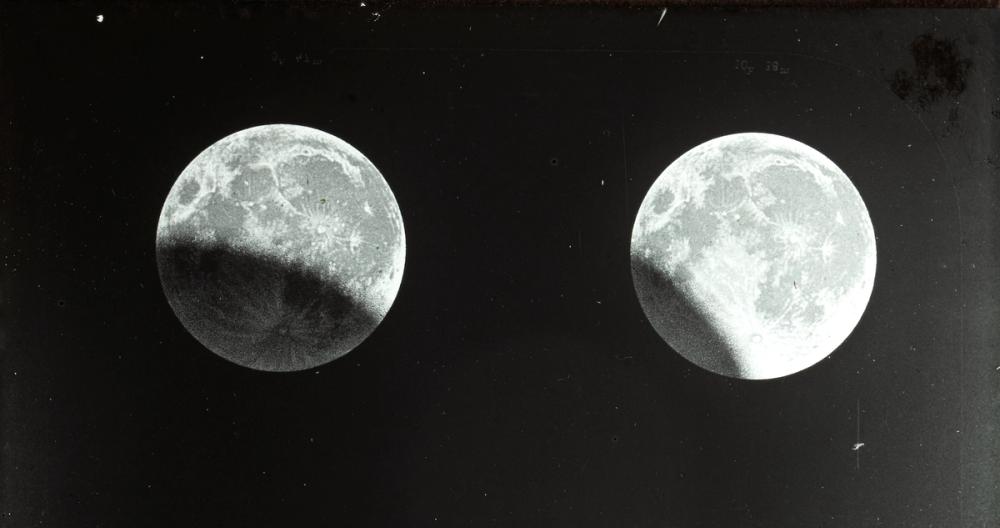
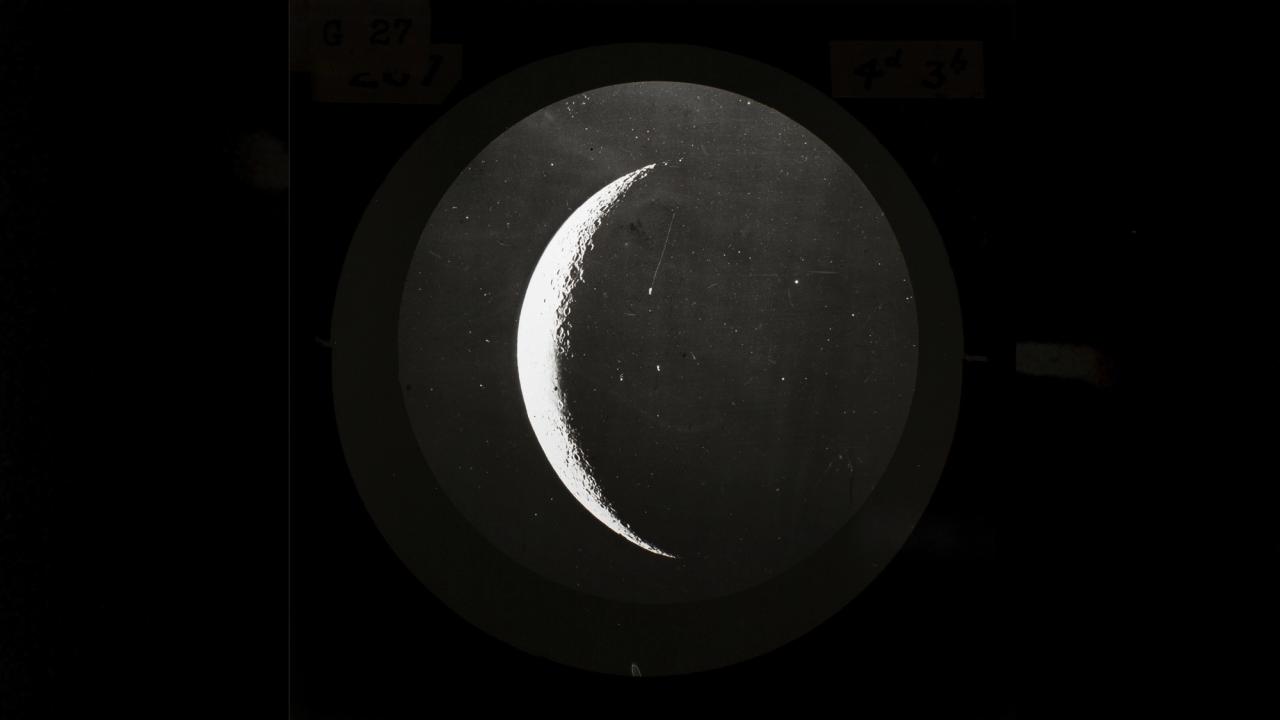
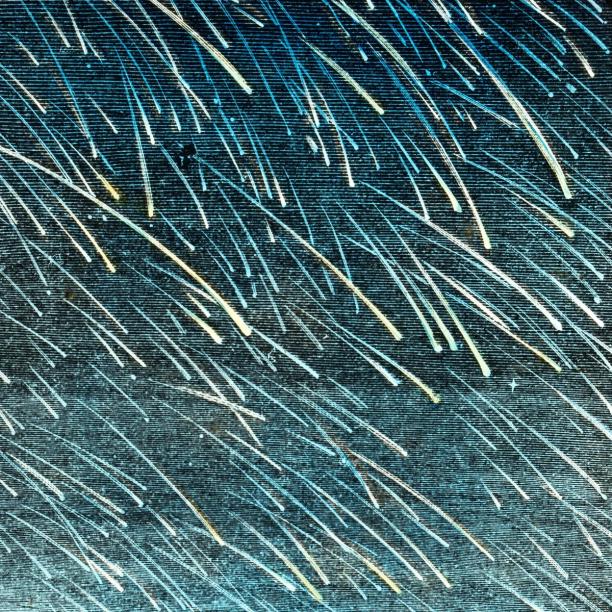
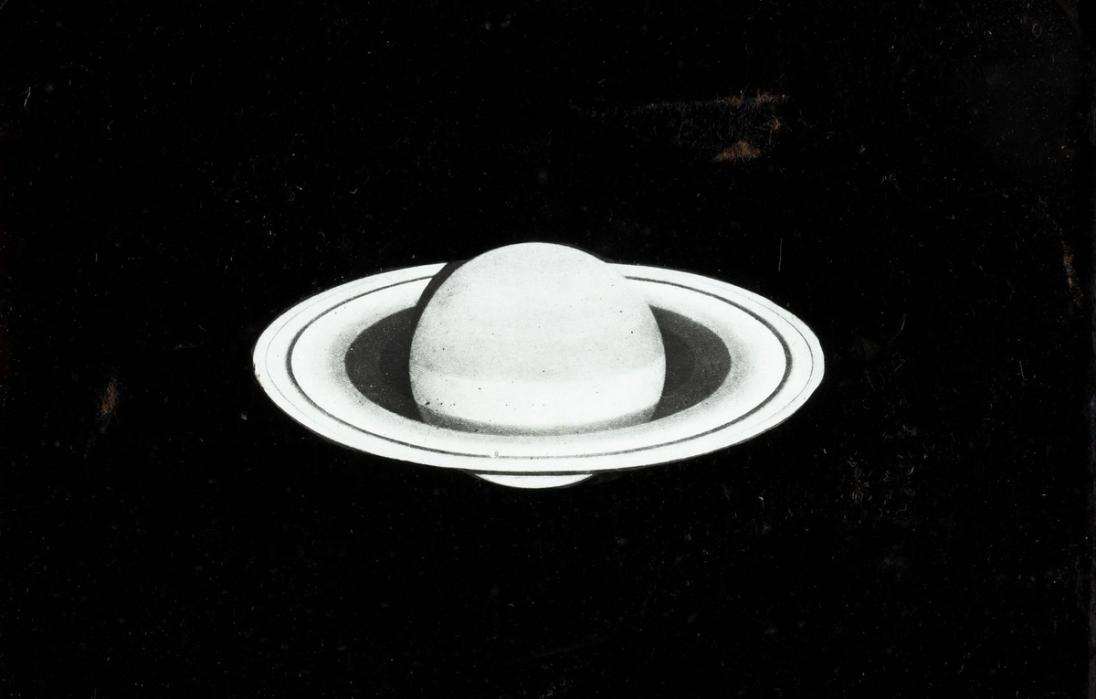
Great Comet 1881 drawing A by HC Russell_Sydney Observatory
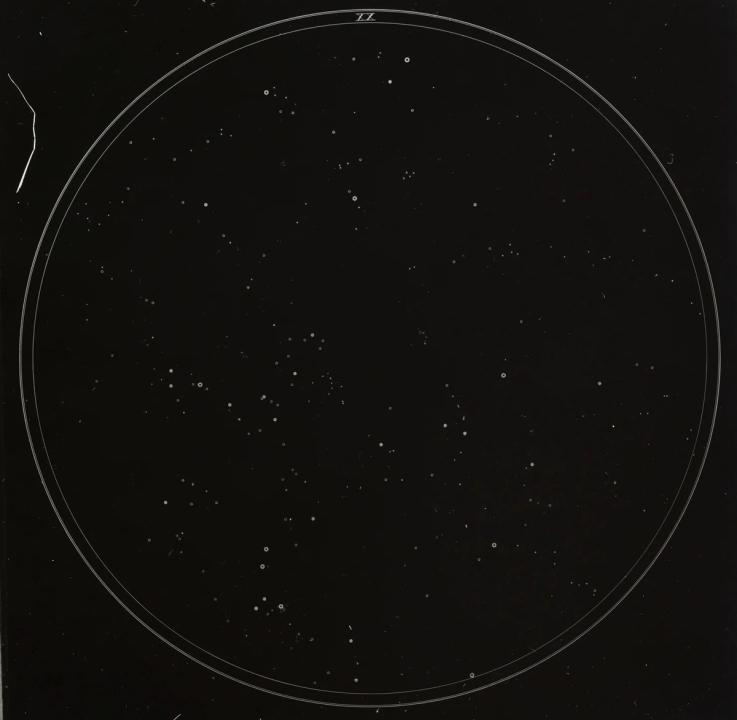
Great Comet 1881 drawing B by HC Russell_Sydney Observatory
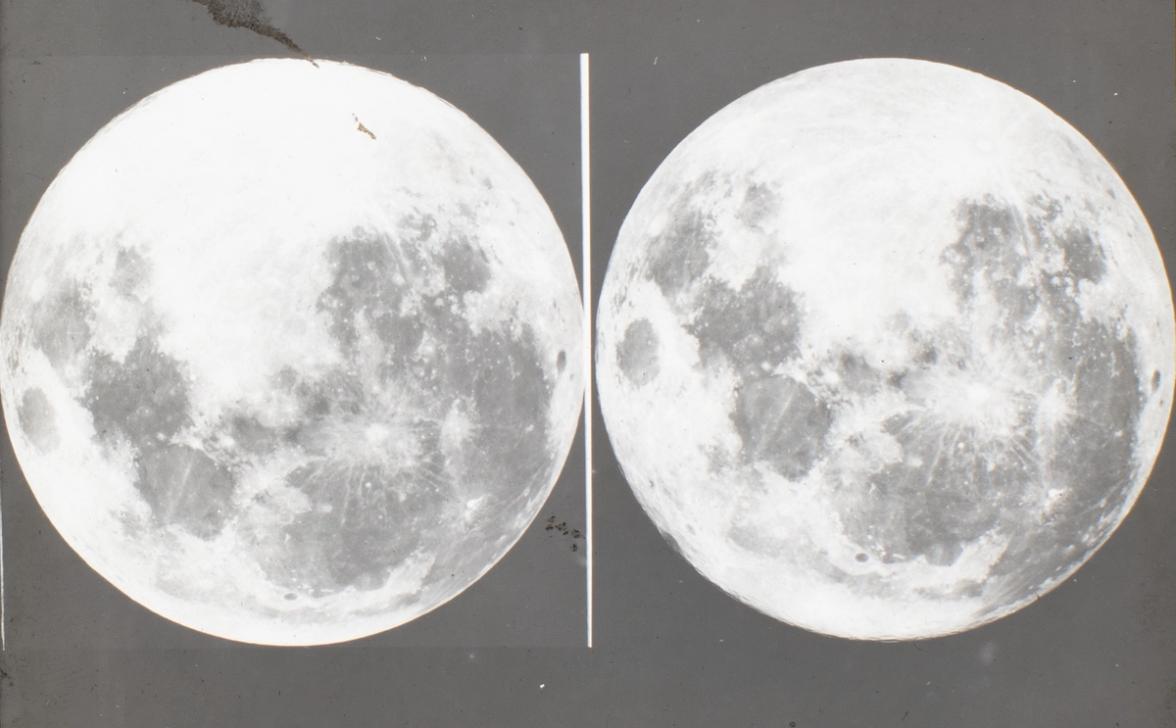
Great Comet 1881 drawing C by HC Russell_Sydney Observatory
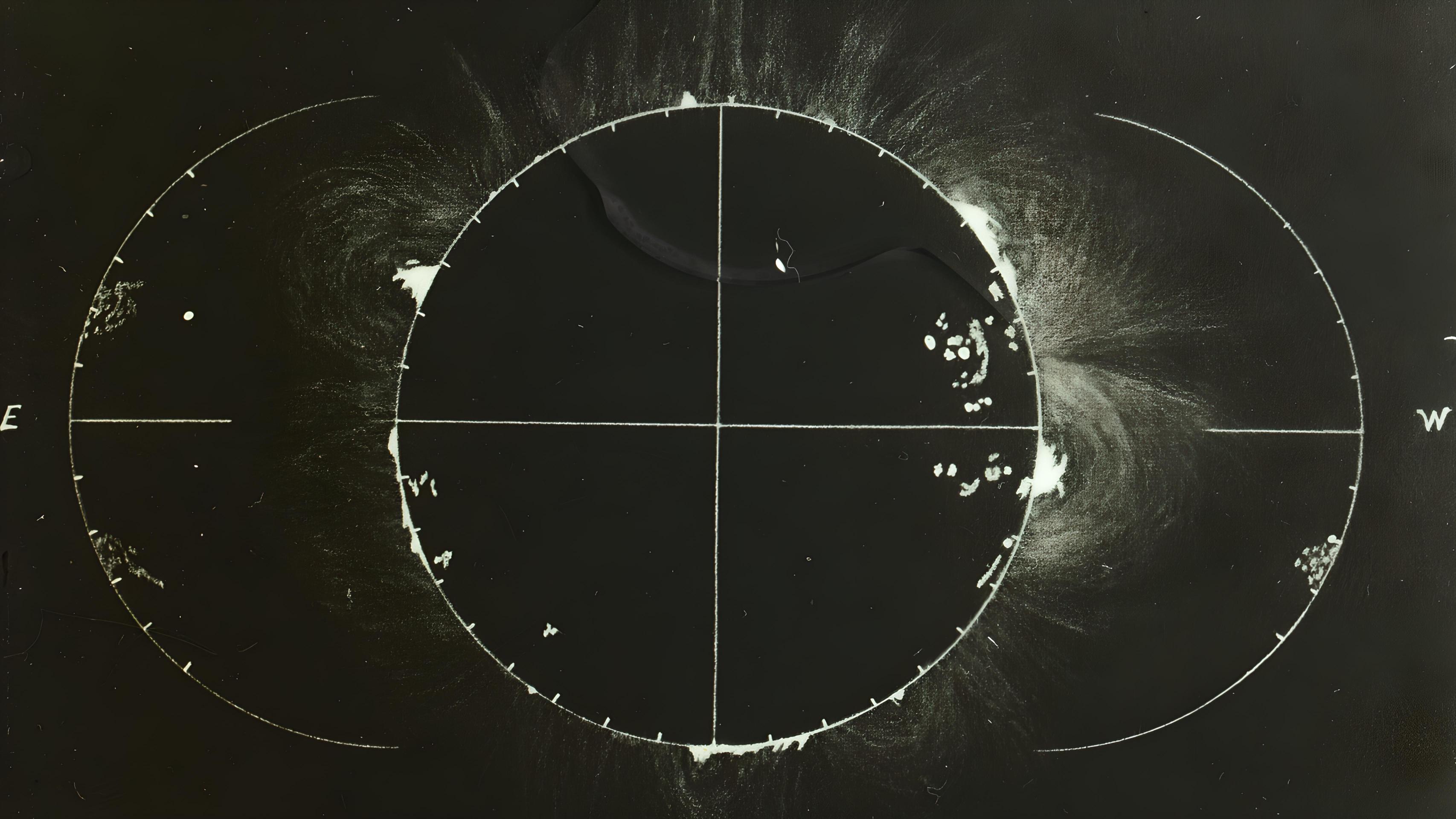
Great Comet 1881 drawing D by HC Russell_Sydney Observatory

Drawings of Comet C/1881 K1 (Tebbutt) by Henry Chamberlain Russell, courtesy Sydney Observatory

Maurice from Indiana, United States writes:

I have read that the Tebbutt Comet of 1881 was the first comet to be “satisfactorily” photographed, but I can find no images of it. Can you please tell me where I might find one? My great grandfather noted in his ledger that he saw a comet in the northwest, pointing southeast, on May 20, 1881.

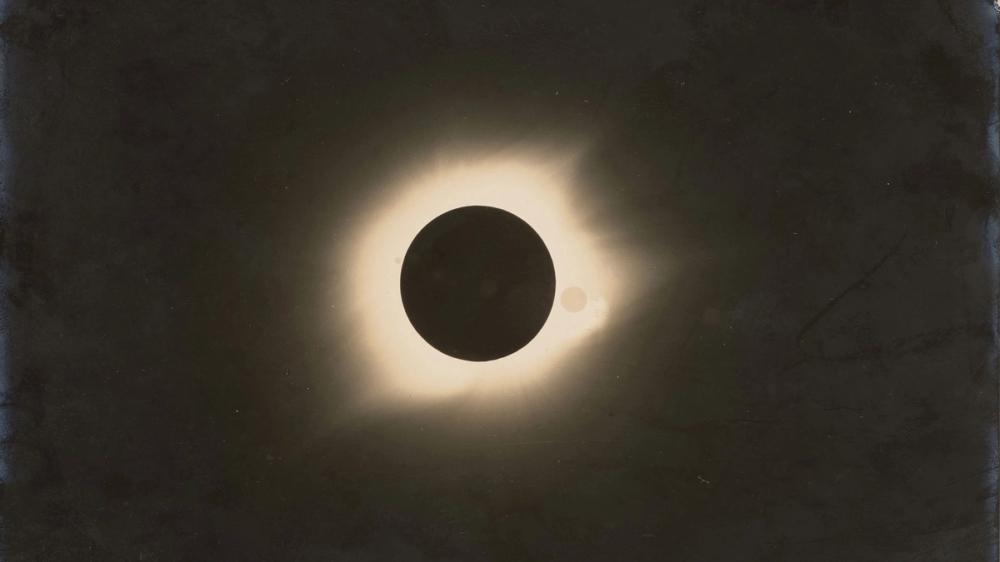
The Great Comet of 1881 was discovered by the famous Australian amateur astronomer John Tebbutt. It was indeed the first to be satisfactorily photographed as it came just in the period that sensitive dry gelatine plates were introduced. The Royal Astronomical Society in 1884 awarded its Gold Medal to the English astronomer Common for obtaining “…a photograph of Comet b [as this comet was then known], which was probably the earliest successful photogaph of any comet…”. Dr Henry Draper of New York also photographed the comet, as did the French astronomer Jules Janssen.

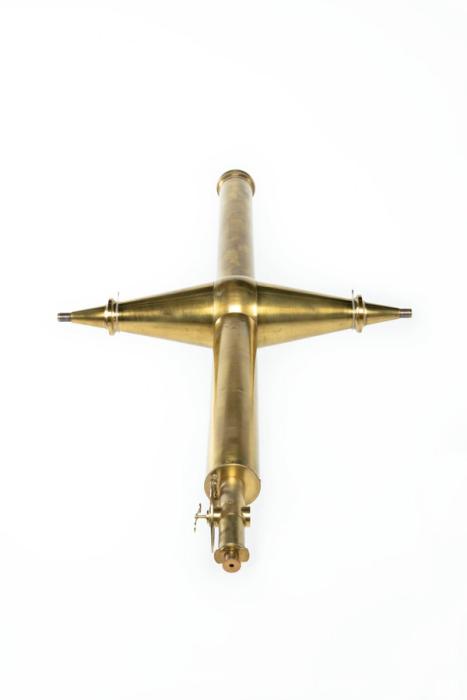
I do not have any of these photographs, though I have seen a questionable version of Janssen’s image. What I do have and show above are drawings of the comet by the director of Sydney Observatory, Henry Chamberlain Russell, who observed with the Observatory’s main 29-cm lens telescope. He published these drawings together with descriptions and spectroscopic observations in the Journal and Proceedings of the Royal Society of NSW.

Russell says of drawing A:

The morning of June 5th was fine, a still greater increase in the coma was visible, the greater part of it in front of the nucleus, but a large shoot or tail-like part extended from the following side and then turned to the tail.

Russell says of drawing C:

…to show the rapid change that was going on in the coma.This was the only time there seemed to be any dark shadow behind the nucleus, and I may mention that the general colour of the comet seemed to be greenish, except the nucleus, which was a decided yellow, almost orange colour.

Tebbutt discovered the comet on 22 May 1881. It became visible to northern hemisphere astronomers exactly a month later on 22 June 1881. So unless Maurice’s great grandfather made an error in the date, he was looking at a different comet.

  • http://historiadelaastronomia.wordpress.com/ S. Paolantonio

    Very interesting article. C/1881 K1 were discovered independently by Walter Davis from National Argentinean Observatory. I invite them to see http://historiadelaastronomia.wordpress.com/documentos/hace-128-anos/.

    Muy interesante artículo. C/1881 K1 fue descubierto independientemente por Walter Davis desde el Observatorio Nacional Argentino. Los invito a ver http://historiadelaastronomia.wordpress.com/documentos/hace-128-anos/.
    Saludos cordiales.

  • harry

    why is it important discovery

    • http://www.sydneyobservatory.com.au Nick Lomb

      Hello Harry. Bright comets visible to the unaided eye are rare and when they do appear in the sky they are exciting objects to look at both for astronomers and the general public. They also provide astronomers with a good opportunity to examine these objects in order to better understand their nature.

About

The 'Observations' blog is run by the staff of Sydney Observatory which is located at Observatory Hill, The Rocks, in Sydney, Australia.

This site is for discussion purposes only and does not represent the official views of Sydney Observatory. Any views expressed on this website are those of the individual post author only. Sydney Observatory accepts no liability for the content of this site.

Please direct any correspondence to web [at] phm.gov.au.

Search